
Theme: Education
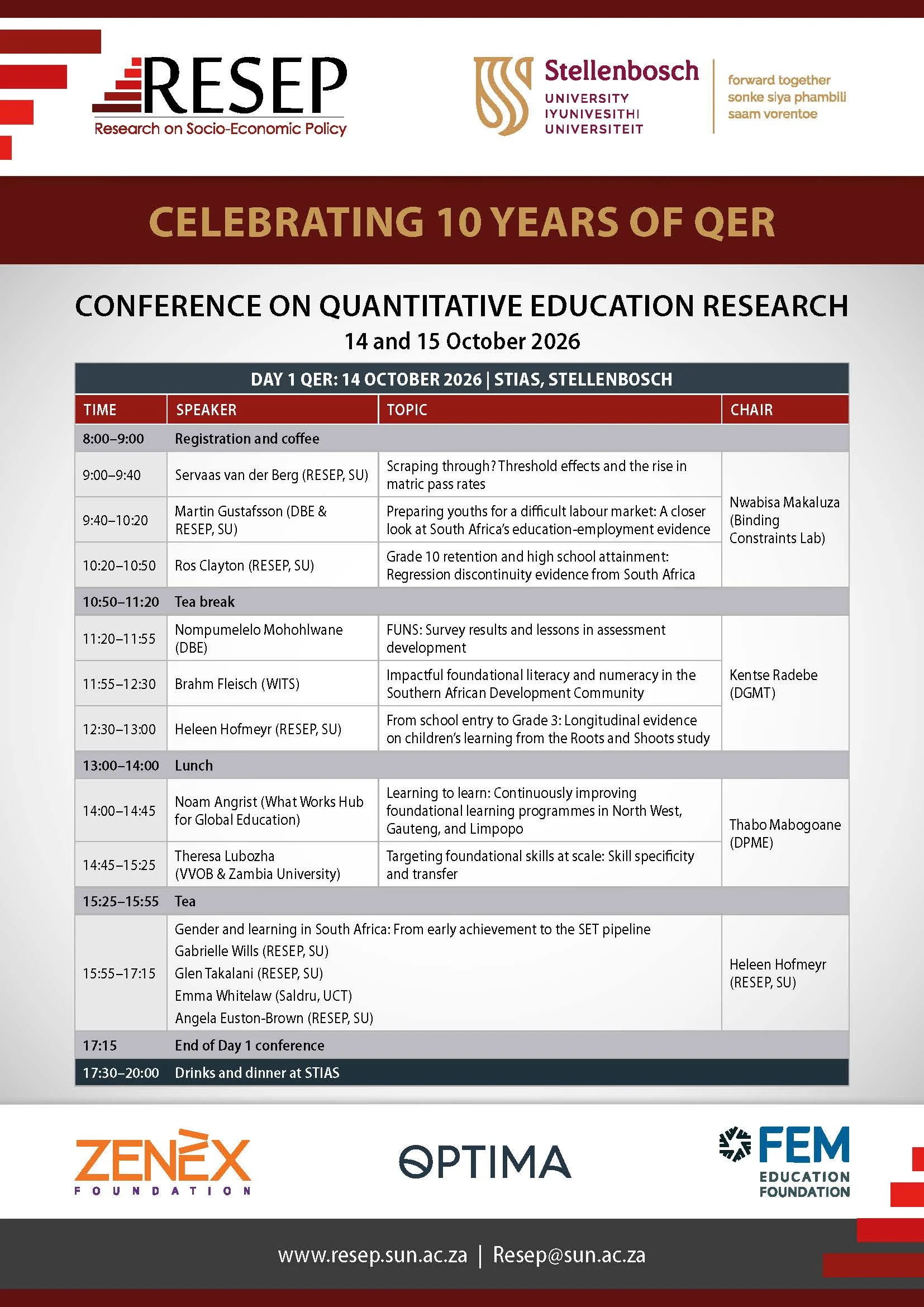
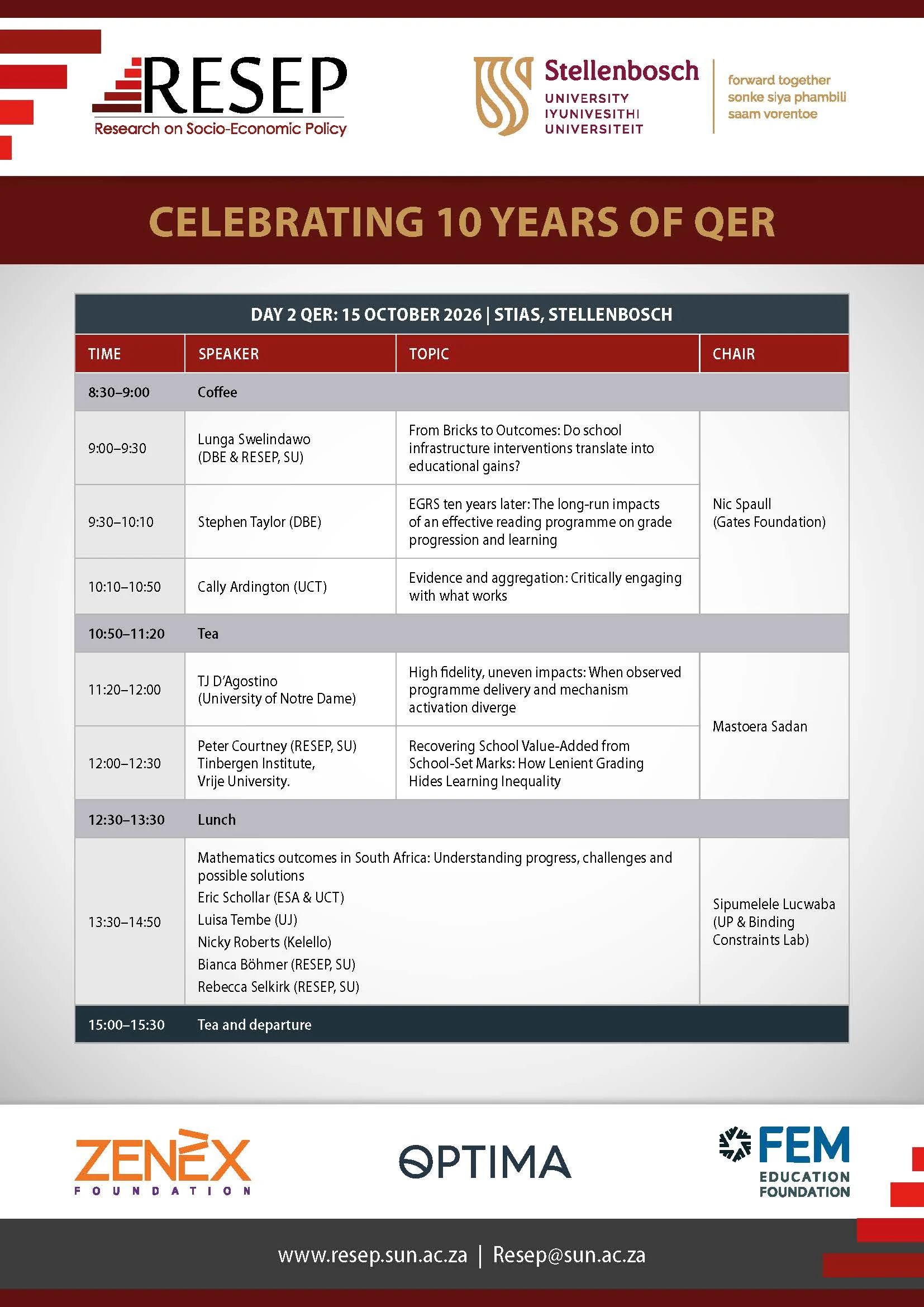
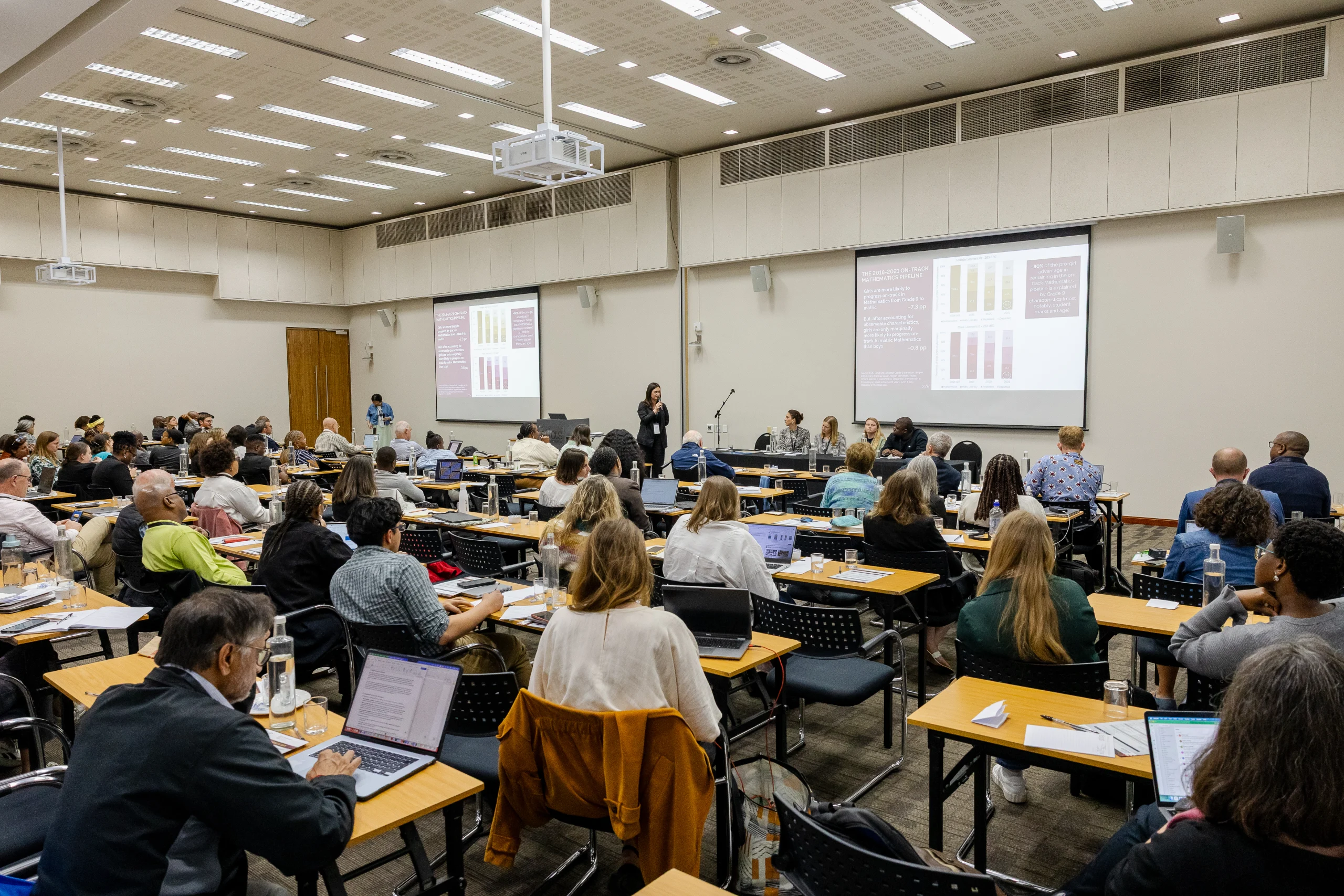
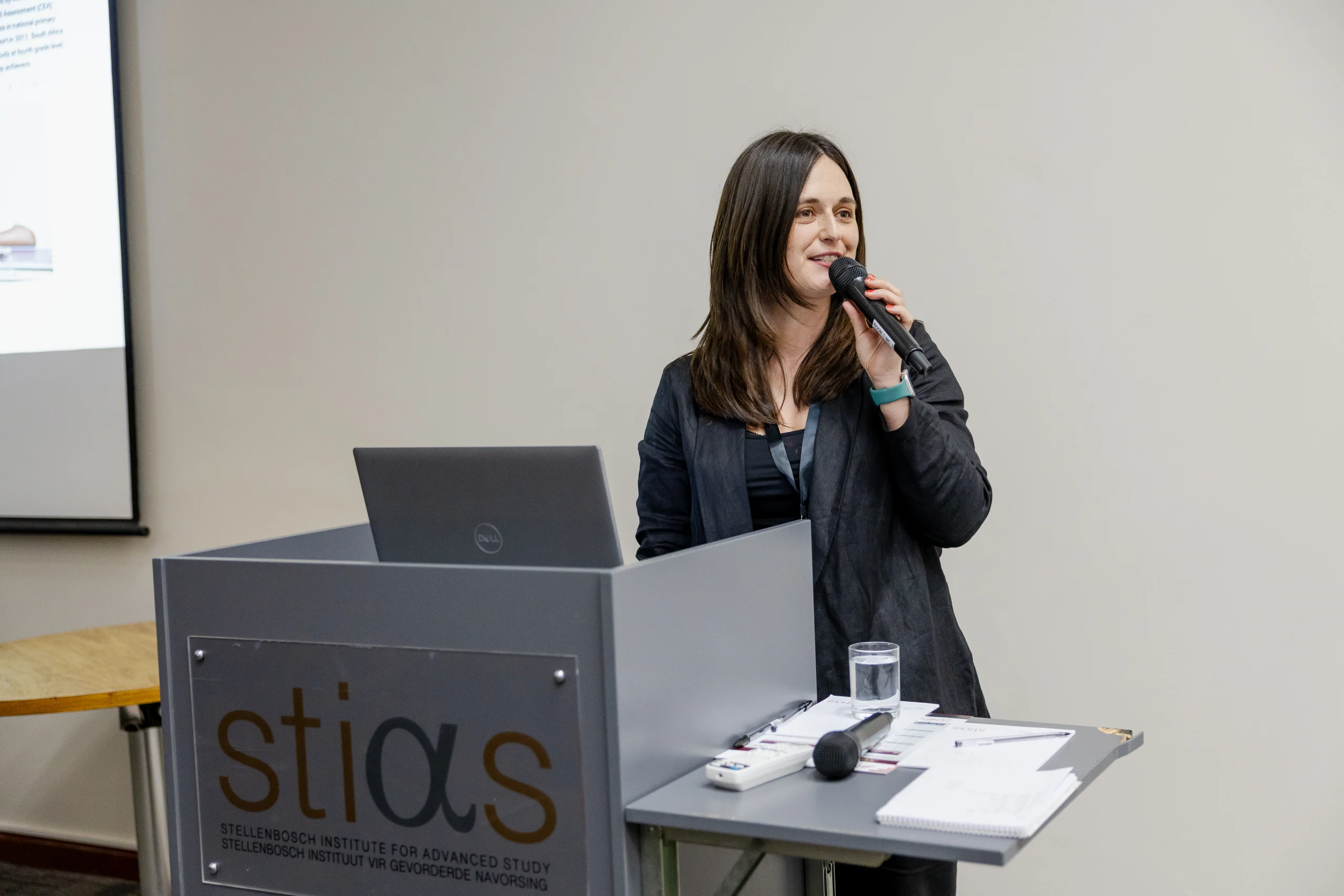
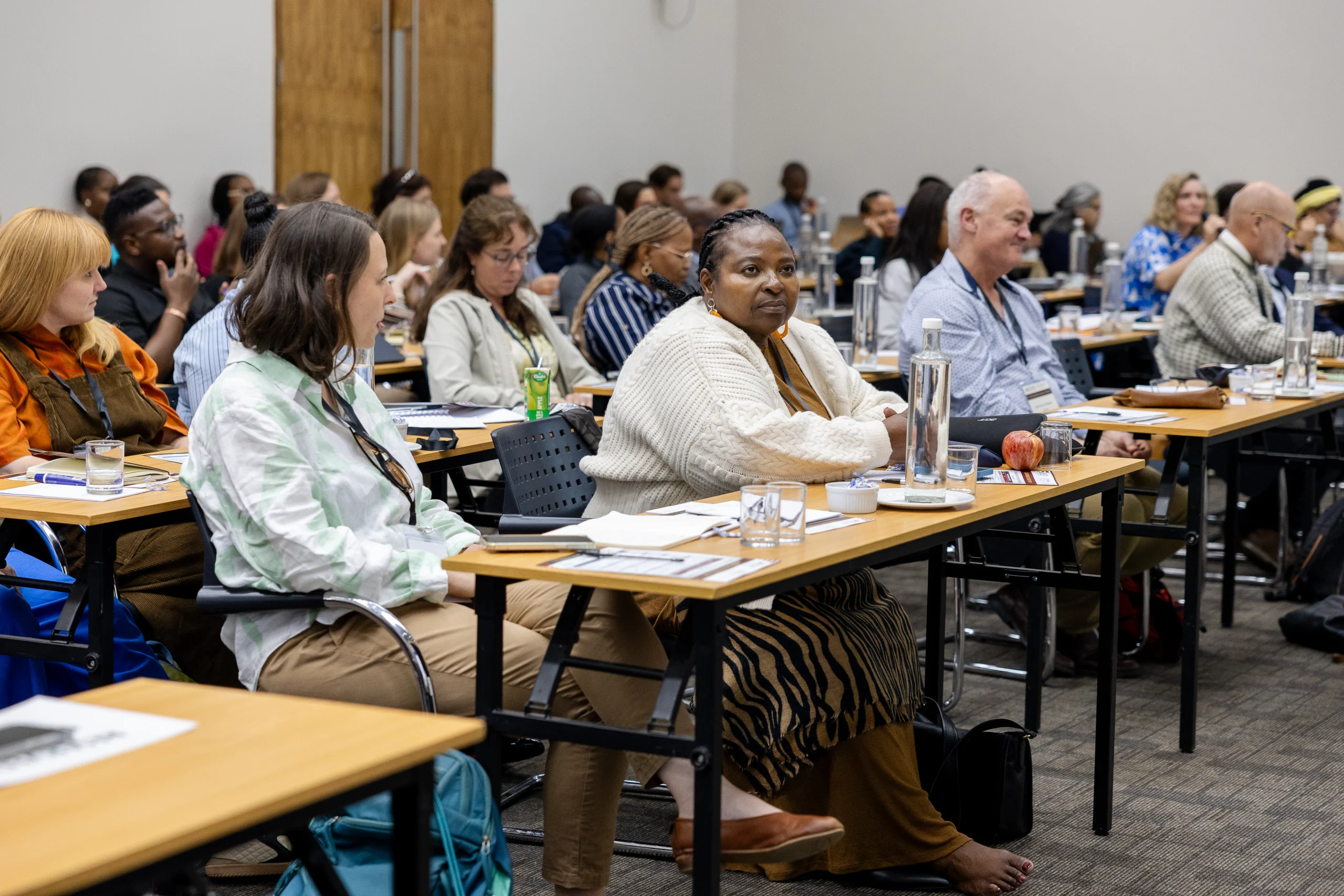
On 14–15 October 2026, RESEP hosted the tenth Quantitative Education Research (QER) Conference at the Stellenbosch Institute for Advanced Study (STIAS). Ten years after the first gathering in 2016, the conference brought together researchers, policymakers and practitioners to share new evidence and debate its implications for South African education.
In her closing remarks, Gabrielle Wills (RESEP, Stellenbosch University) observed that those present at the first conference could scarcely have imagined how it would develop over ten iterations, with only the Covid interruption in 2020 breaking its annual rhythm. This year’s presentations made that development especially apparent. The quality of the research, the depth of the discussion and the willingness to engage critically with findings made the tenth QER a standout gathering.
Across the programme, presentations examined what educational progress means, how learning gains can be sustained, and how evidence can guide better decisions.
What do improving matric results tell us?
Servaas van der Berg (RESEP, Stellenbosch University) opened the conference by examining the rise in matric pass rates. His presentation explored how pass thresholds, condonation and changing subject choices shape results, while also identifying evidence of genuine improvement that complicates a simple account of learners “scraping through”. The discussion raised a distinction between certification and mastery. A matric certificate matters enormously for an individual learner, but rising pass rates cannot, on their own, establish whether earlier learning deficits have been repaired or deeper understanding has improved. Participants also considered the gains in stability and predictability within the secondary school system, and what further changes might encourage stronger learning.
Martin Gustafsson (DBE and RESEP, Stellenbosch University) extended these questions to young people’s prospects beyond school. His presentation brought education and employment evidence into conversation, asking how subject choices and the skills schools develop align with further study and labour market opportunities.
Ros Clayton (RESEP, Stellenbosch University) added another dimension through her research on Grade 10 repetition. Her findings highlighted the competing risks involved: repetition can increase dropout, even as results among learners who remain in school suggest potential benefits. The discussion underscored the difficulty – and policy importance – of understanding these different trajectories
Early foundations need sustained support
New longitudinal evidence made it possible to examine how children’s early skills relate to their later learning. Heleen Hofmeyr (RESEP, Stellenbosch University) presented findings from the Roots and Shoots study, which followed children from the start of Grade R to the end of Grade 3 in schools in and around Cape Town. Socio-economic differences were already substantial at school entry and widened during the Foundation Phase, particularly in language and literacy. Even among children who began Grade R developmentally on track, those in poorer schools were much less likely to remain on track by Grade 3. These findings support continued investment in high-quality early childhood development, alongside sustained efforts to improve primary schooling. An encouraging start does not guarantee that children will receive the opportunities they need to keep learning.
Stephen Taylor (DBE) offered a complementary perspective through the ten-year follow-up of the Early Grade Reading Study (EGRS). Early reading support continued to show benefits ten years later, although these were smaller than the initial effects and varied between groups of learners. Together, the presentations raised questions about the conditions that allow early gains to persist and accumulate.
A clearer picture of foundational learning
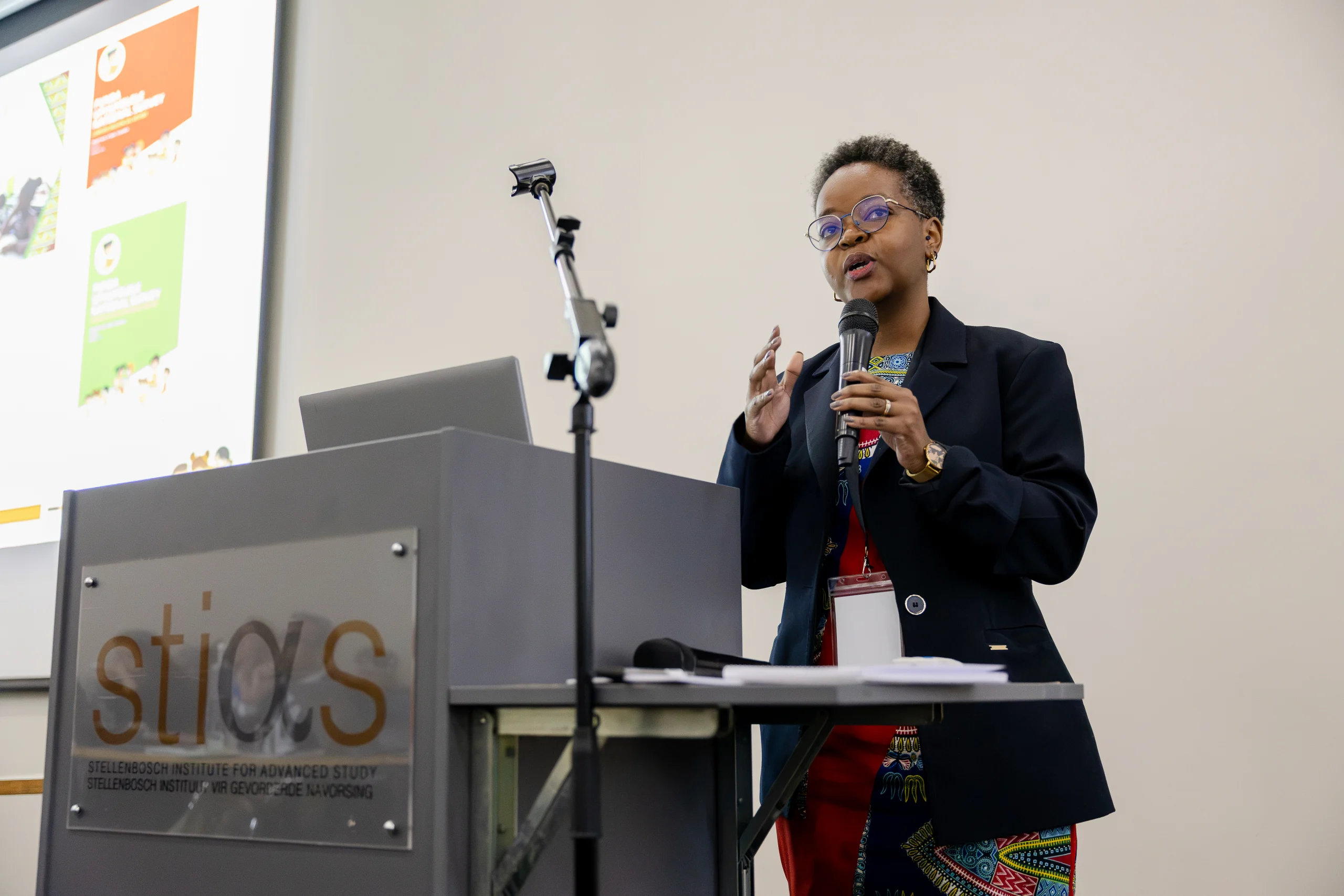
Nompumelelo Mohohlwane (DBE) presented findings from FUNS, demonstrating the value of language-specific reading benchmarks and a more detailed picture of children’s reading development across the early grades. Distinguishing between non-readers, emerging readers and learners reaching or exceeding benchmarks makes it possible to see more precisely where support is needed. The discussion recognised the importance of this diagnostic work and asked how it would translate into improvement. Bringing benchmarks into teaching plans and making assessment tools available are steps towards connecting national evidence with classroom practice.
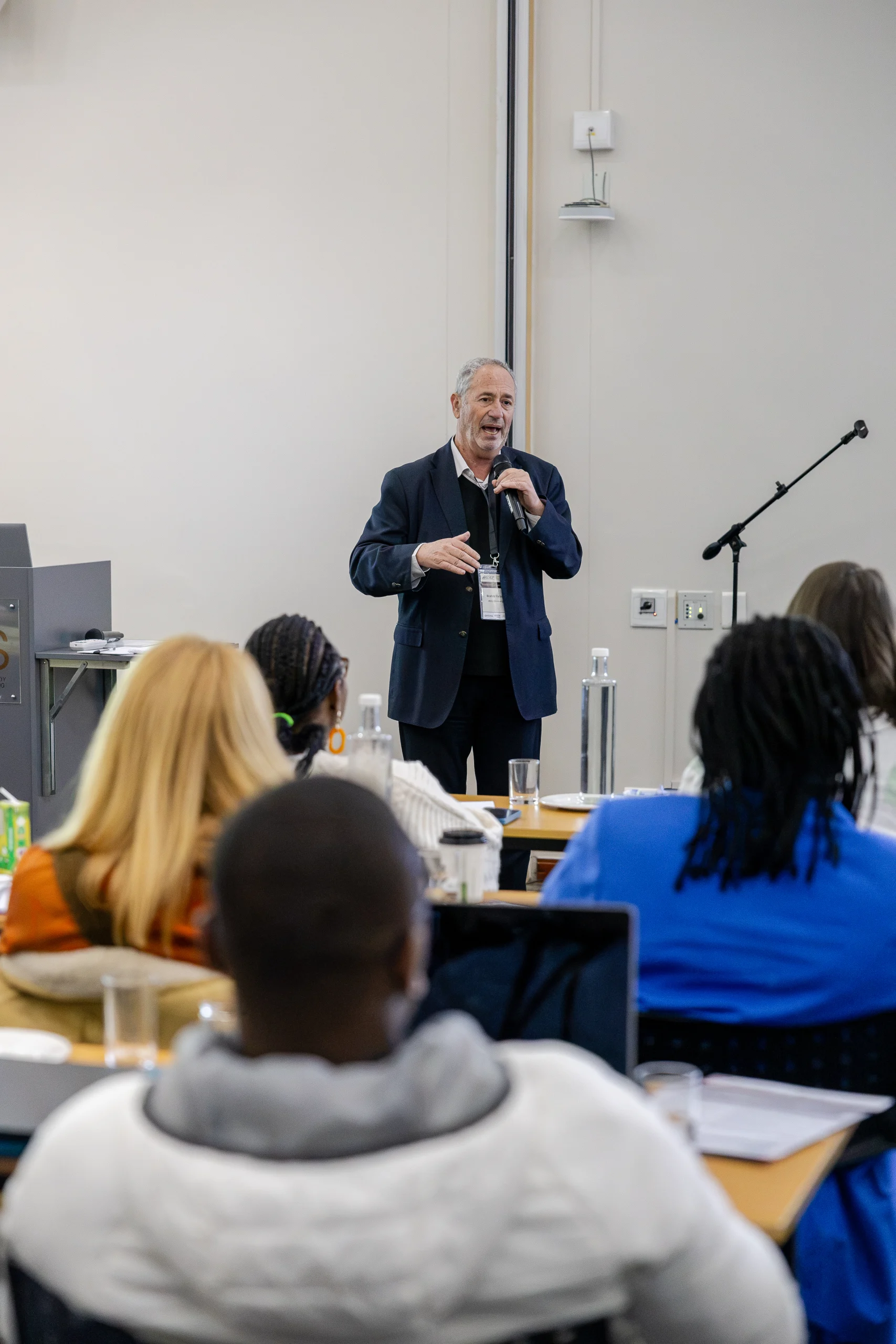
Brahm Fleisch (Wits) added a regional perspective, drawing lessons from foundational literacy and numeracy interventions across the Southern African Development Community. He highlighted opportunities to learn from neighbouring countries, alongside the importance of government leadership, coherent policy and sustained measurement. A recurring concern was how to connect growing knowledge about effective approaches with consistent changes in teaching and learning.
Learning how to make programmes work better
Several presentations examined why promising programmes produce different results across settings, and how implementation can improve.
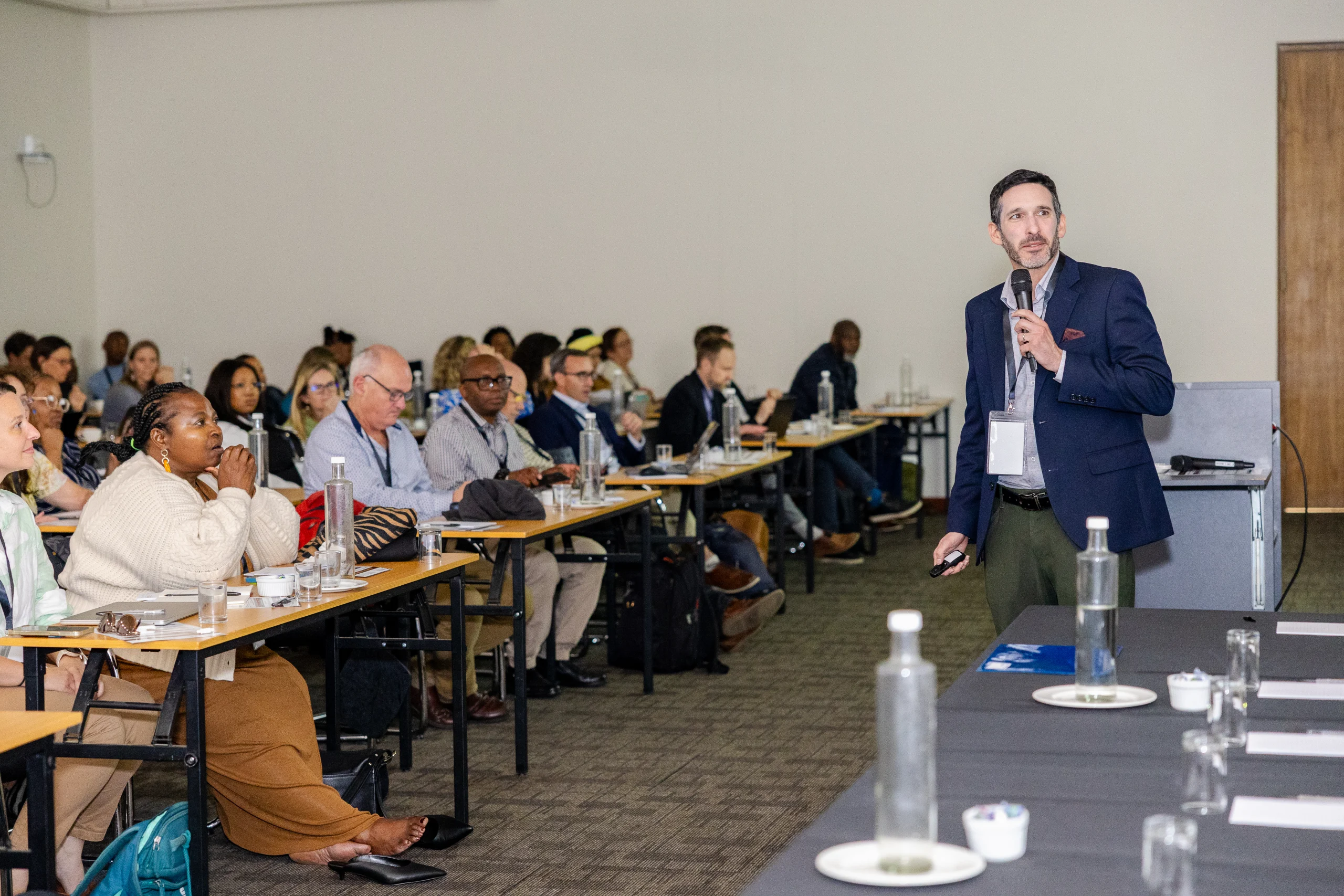
Noam Angrist (What Works Hub for Global Education) described Youth Impact’s interventions in North West, Gauteng and Limpopo that use programme data and repeated testing of adaptations to strengthen foundational learning interventions. This approach treats improvement as an ongoing process, with evidence informing changes during delivery.
Theresa Lubozha (VVOB and Zambia University) examined the reach of targeted instruction through Zambia’s national Catch Up programme. Strong gains in specifically taught foundational skills did not necessarily translate into immediate improvements in adjacent skills. Evidence of later benefits in Grade 7 examinations, however, raised further questions about how these foundations support subsequent learning.
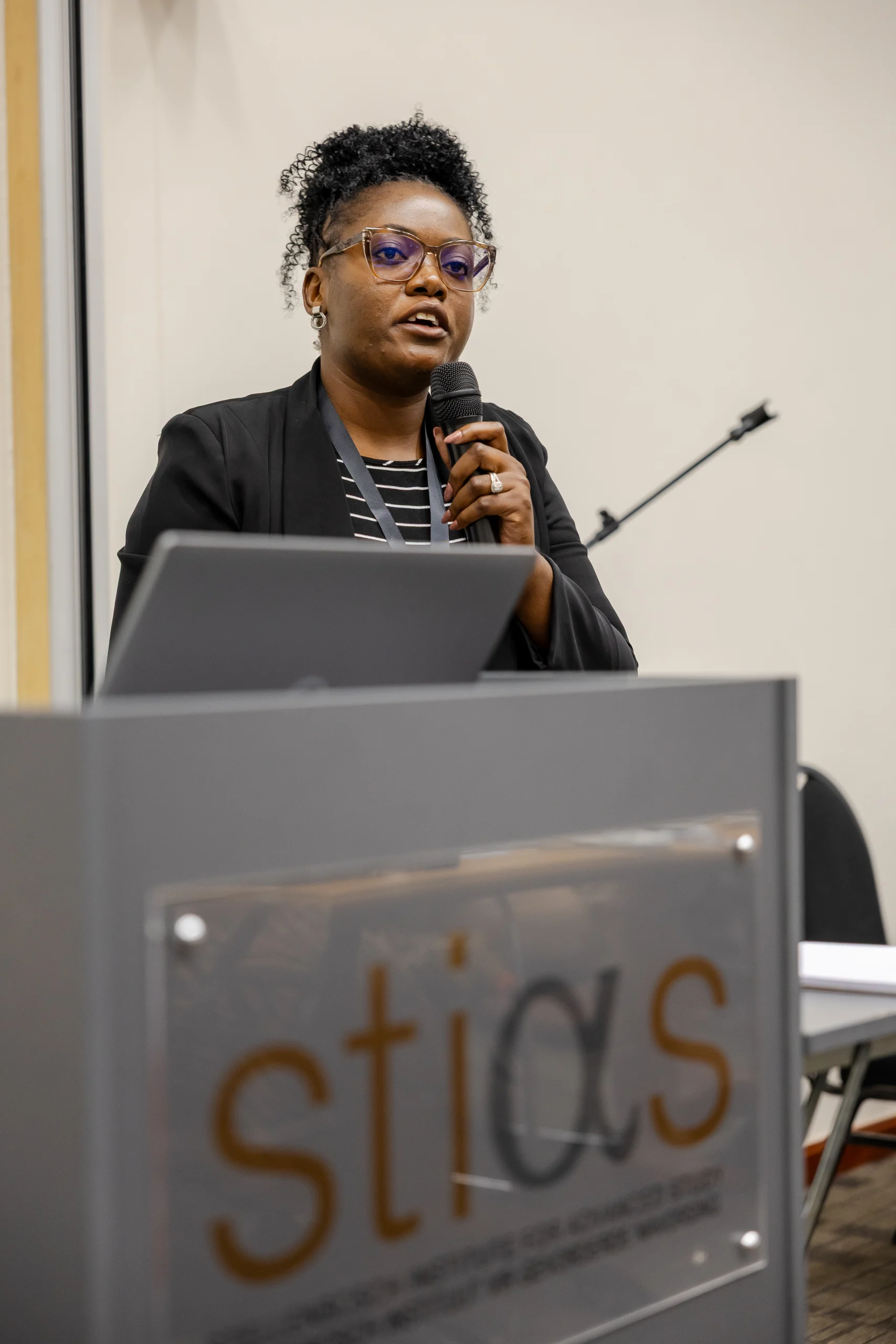
TJ D’Agostino (University of Notre Dame) showed why implementation itself requires careful investigation. Schools delivering the same programme experienced markedly different impacts, and standard measures of fidelity did not explain that variation. Qualitative evidence pointed towards the importance of supervisors who understood the programme’s educational purpose, responded to disruptions and protected instructional time.
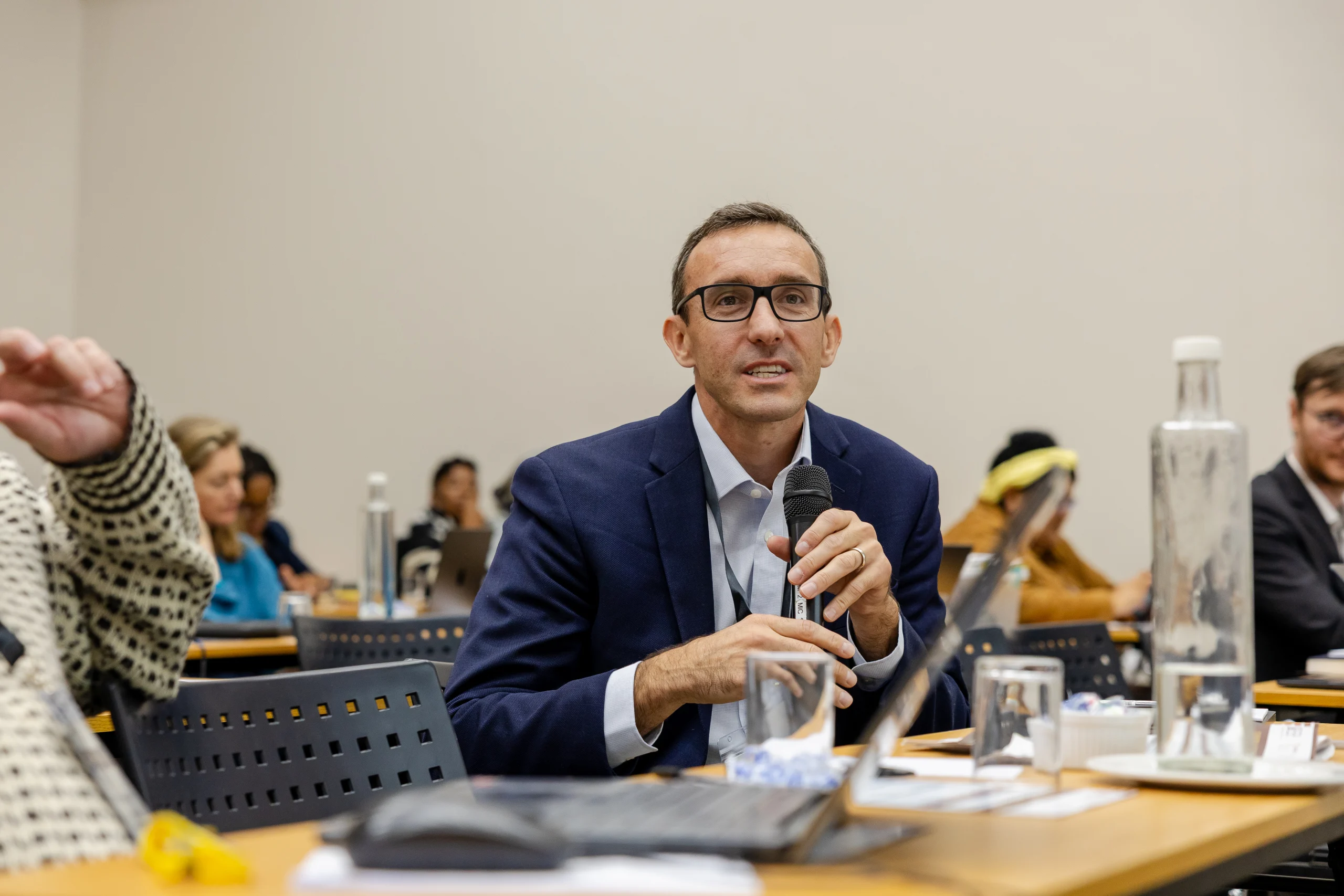
Across these presentations, effective delivery emerged as demanding work that involves judgement, adaptation and a close understanding of learners’ needs.
Thinking critically about evidence on “what works”
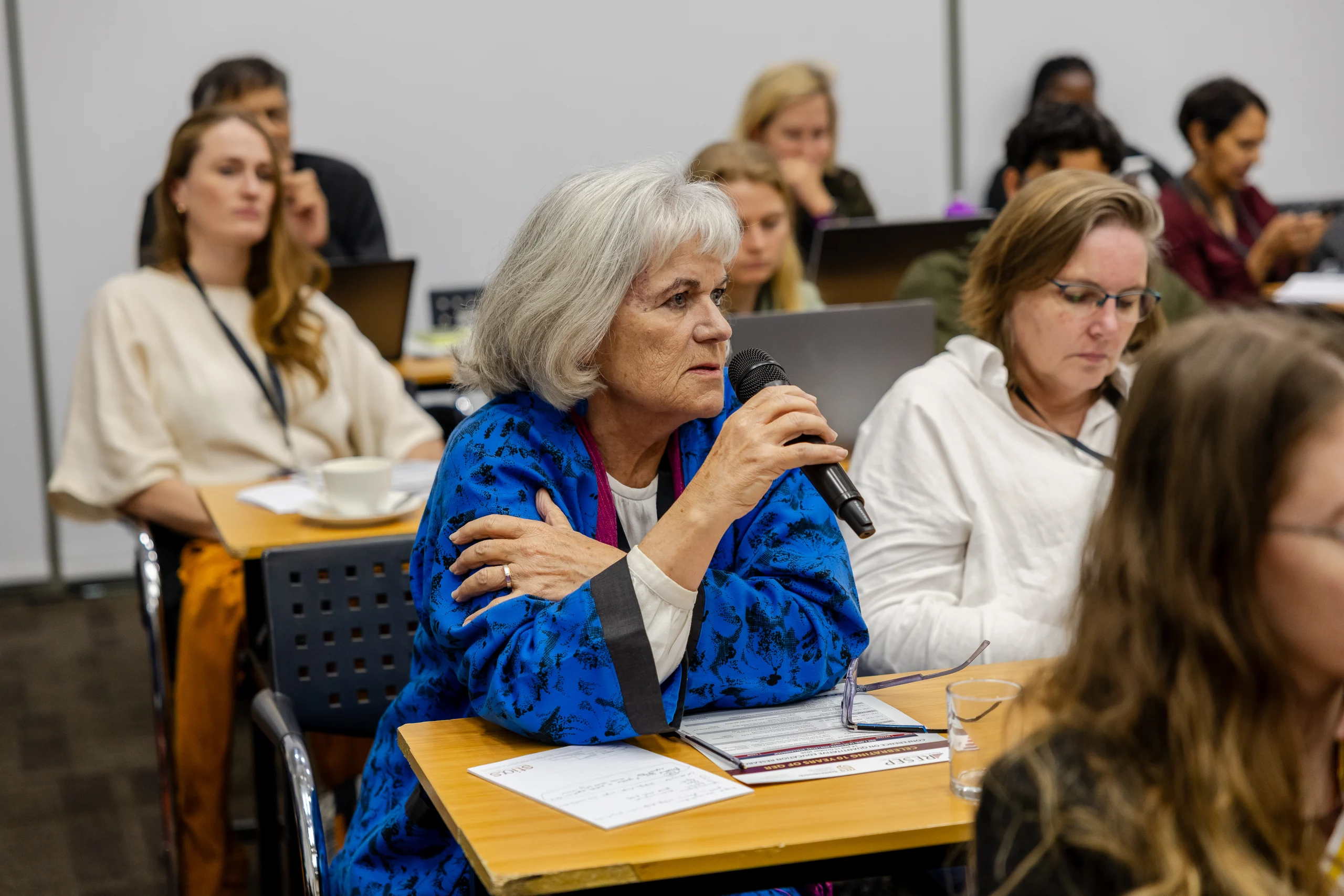
Cally Ardington (University of Cape Town) prompted a discussion about how research findings become policy advice. As studies are converted into standardised effect sizes, “years of learning” and cost-effectiveness rankings, assumptions enter at each step. Differences between assessments, populations and programme designs can become difficult to see in the final comparisons. Her presentation challenged researchers and producers of evidence syntheses to report effects in meaningful units, explain calculations, retain uncertainty and communicate the conditions under which interventions succeed.
The discussion brought out a central challenge for the research community. Policymakers need accessible ways to navigate a large body of evidence. Producing useful summaries requires care about what those summaries can support, and how much certainty they convey. This concern connected closely with the presentations on implementation: understanding an average effect is only part of understanding whether an approach will work in a particular setting.
Strengthening mathematics learning and teaching
The mathematics panel connected long-term achievement trends with subject choice, classroom challenges and teacher preparation.
Bianca Böhmer (RESEP, Stellenbosch University) documented substantial improvements in South Africa’s mathematics achievement over time, while highlighting continuing gaps. Rebecca Selkirk (RESEP, Stellenbosch University) showed why increasing participation in matric mathematics requires attention to learning well before learners make their subject choices. Eric Schollar (ESA and University of Cape Town) drew attention to the wide range of learning levels teachers face within individual classrooms.
Nicky Roberts (Kelello) and Luisa Tembe (University of Johannesburg) focused on preparing primary school teachers to teach mathematics. Their presentations highlighted gaps in student teachers’ mathematical knowledge, alongside efforts to establish shared standards and strengthen learning through collaboration among university lecturers. The discussion connected expectations of school learners with the preparation and support available to their teachers.
Gender gaps across the education journey
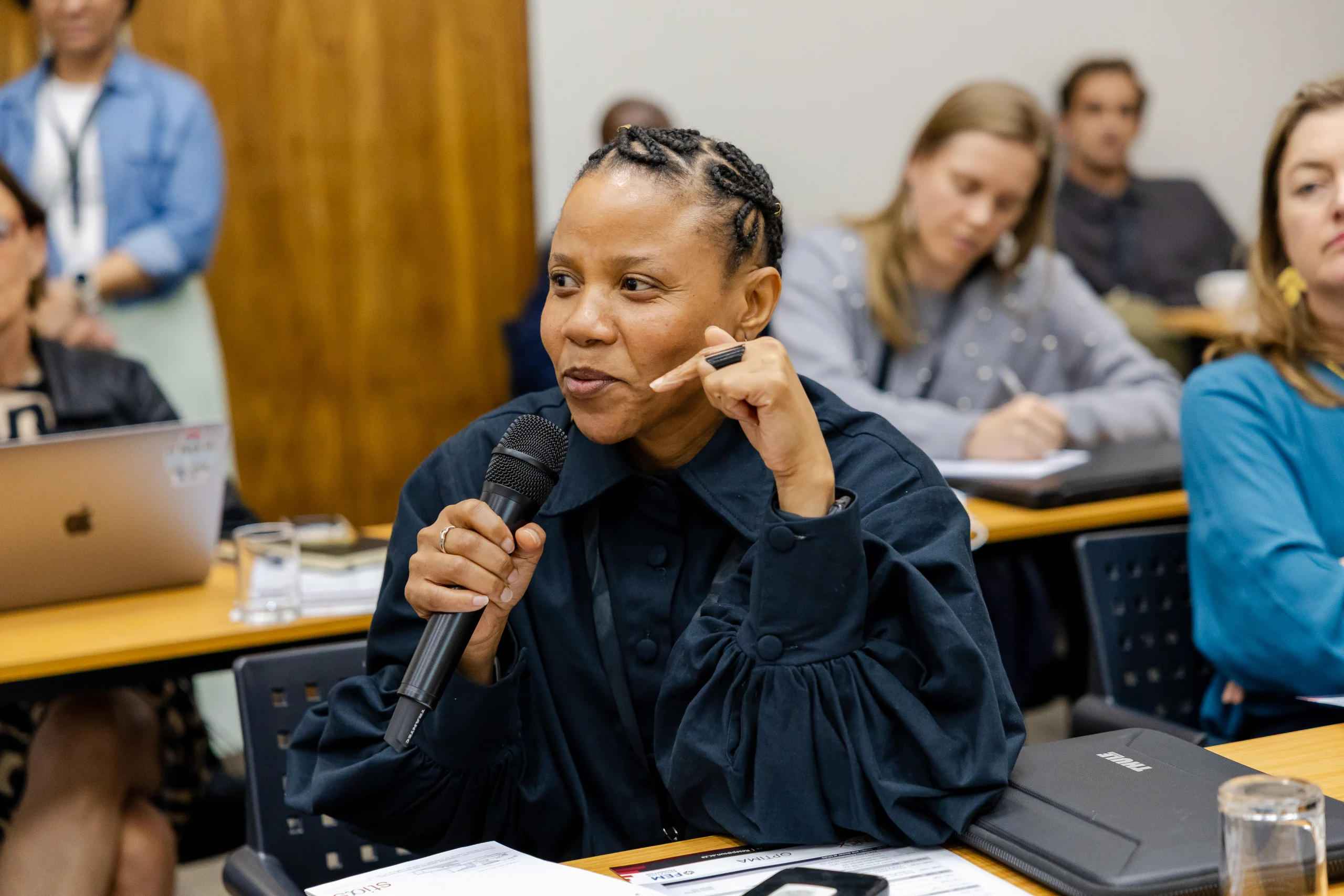
The gender panel traced differences in achievement and progression from primary school to university. Gabrielle Wills (RESEP, Stellenbosch University) showed how girls’ advantage in school marks widens across the early grades, particularly in language and in poorer schools. Glen Takalani (RESEP, Stellenbosch University) examined possible explanations, finding that school belonging and motivation account for part of girls’ mathematics advantage, while leaving much unexplained. Angela Euston-Brown (RESEP, Stellenbosch University) followed learners through secondary school, showing that the shift towards a male advantage in matric mathematics reflects both who remains in the mathematics pipeline and changes in performance among those who stay.
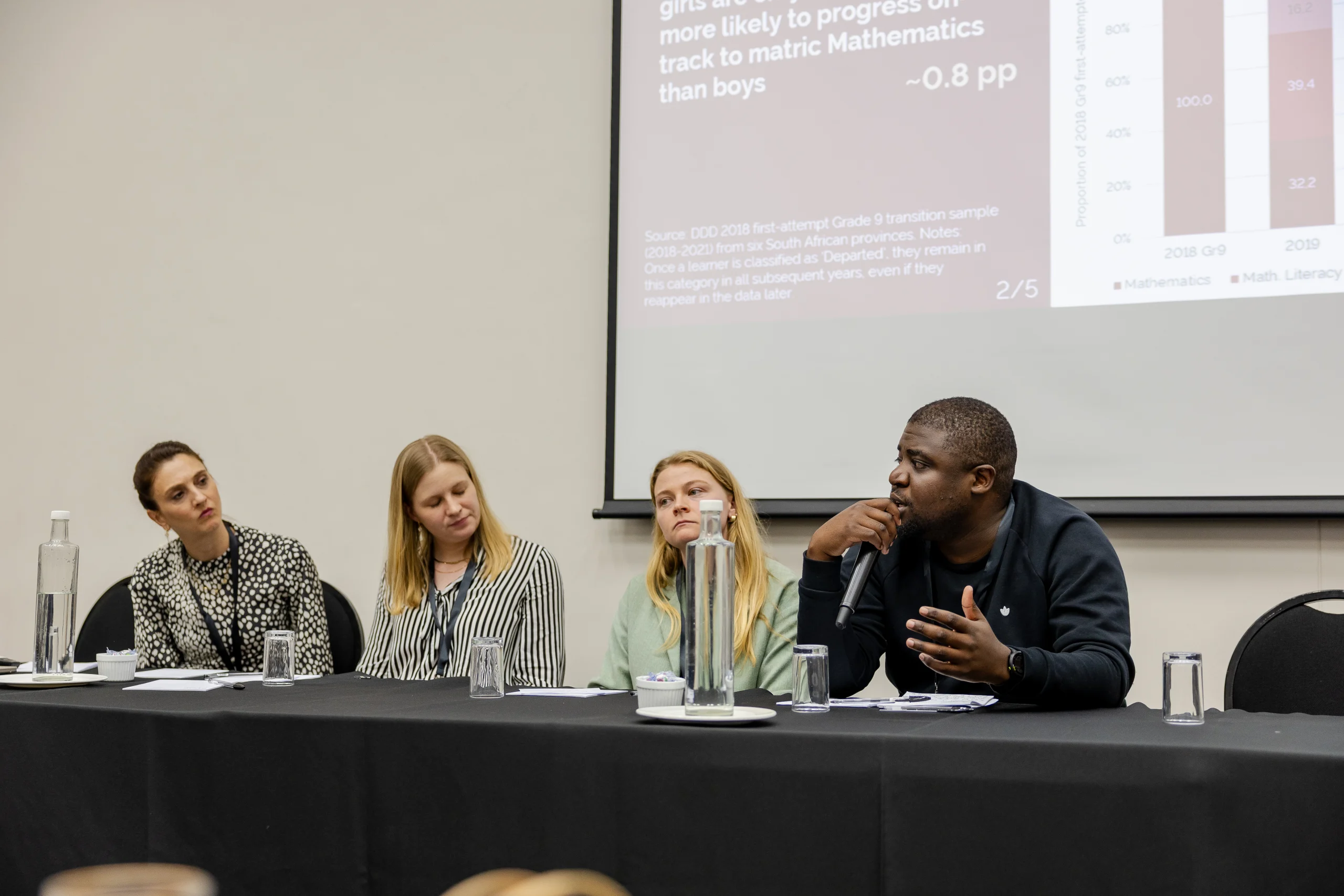
Emma Whitelaw (SALDRU, University of Cape Town) extended the discussion to science, engineering and technology qualifications in higher education. Women’s strong overall educational performance does not translate into equal participation in these fields: the gender gap opens particularly at university entry, although women who enrol are more likely to complete their qualifications. Together, the presentations highlighted the need to understand where different disadvantages emerge and how to support both boys and girls through the education system.
Understanding school quality
Other presentations opened further avenues for understanding the conditions and measures of school quality. Lunga Swelindawo (DBE and RESEP, Stellenbosch University) shared preliminary evidence on learning outcomes following school infrastructure improvements. The discussion also recognised infrastructure’s importance for children’s dignity and raised questions about how improvements might influence families’ school choices.
Peter Courtney (RESEP, Stellenbosch University, and Tinbergen Institute, Vrije University) examined how differences in school-based assessments can conceal learning inequalities. His work explored how more comparable measures could improve our understanding of school performance, while the discussion highlighted the care needed in interpreting differences between schools’ marks.
Looking back over 10 QERs
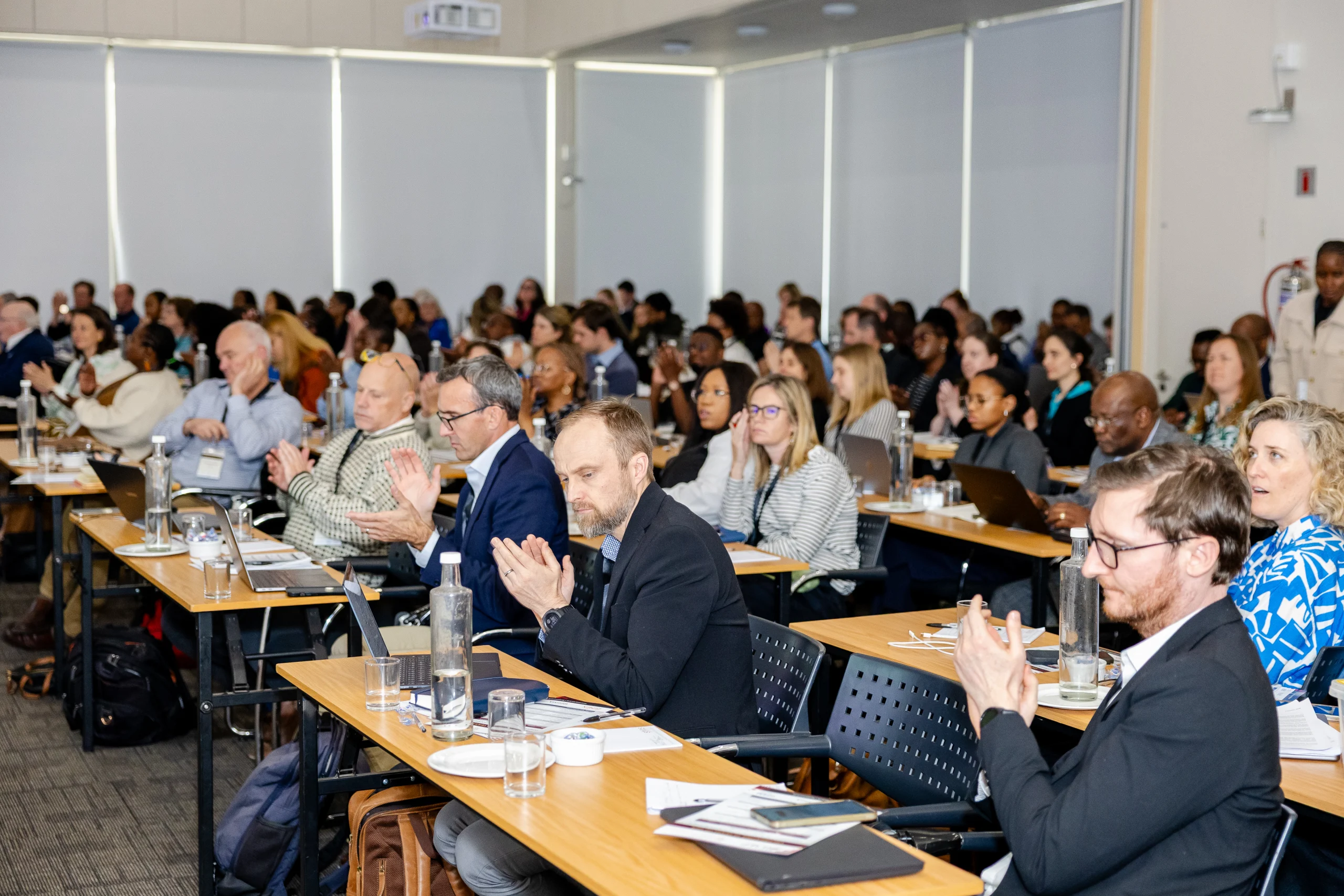
A connection to the first QER offered a fitting illustration of how the sector has developed. In 2016, Taylor, Mohohlwane and Fleisch jointly presented midline findings from EGRS I. All three returned to this year’s programme, with contributions that reflected different developments over the intervening decade: evidence on the long-term effects of EGRS I, a major national effort to measure the foundations of reading, including letter-sound knowledge and oral reading fluency, and lessons from literacy interventions across Southern Africa.
Their presentations brought the anniversary into perspective. Alongside QER’s growth, the sector has built the capacity to follow children’s learning over longer periods, understand foundational skills in greater detail and learn from a wider body of intervention evidence. The discussions throughout the conference also showed how much remains to be understood – and the value of a forum where that evidence can be examined together.
We thank all speakers, chairs and participants, and the RESEP administrative team, for making this milestone conference possible. QER 2026 would not have been possible without the generations contributions from Optima, FEMEF, Zenex and the Gates Foundation. As QER enters its next decade, the task remains to turn an increasingly rich body of evidence into better educational opportunities for South African children.