
About Us
Research on Socio-Economic Policy (RESEP) is a group of scholars and students interested in issues of inequality, social mobility, economic development and social policy. We are inspired by the vision of a more equal South Africa, where opportunities are available to all.
RESEP is based in the Department of Economics at the University of Stellenbosch. The team is led by Professor Servaas van der Berg, who has been a central figure in South African socioeconomic research for many decades. Prof van der Berg held the South African National Research Chair in the Economics of Social Policy from 2008-2022, funded through the National Research Foundation (NRF). This stimulated high-quality research on key policy issues, particularly quantitative research focused on issues of educational equity and educational outcomes.
Our Team
Our team of researchers, postgraduate students and academic staff conducts rigorous, policy-relevant research aimed at improving educational opportunities and outcomes in South Africa and across the African continent. Through close engagement with policymakers, practitioners, and development partners, we seek to generate evidence that informs decision-making and contributes to stronger education systems.
Funding for RESEP comes from a variety of sources. The research group is funded in part by local and international philanthropy groups on a project-by-project basis, and in part through research consultancy work for various institutions, including government entities, NGOs, think tanks and large multilateral organisations. Please consult specific projects and publications for details on the funder or commissioning organisation for each initiative.
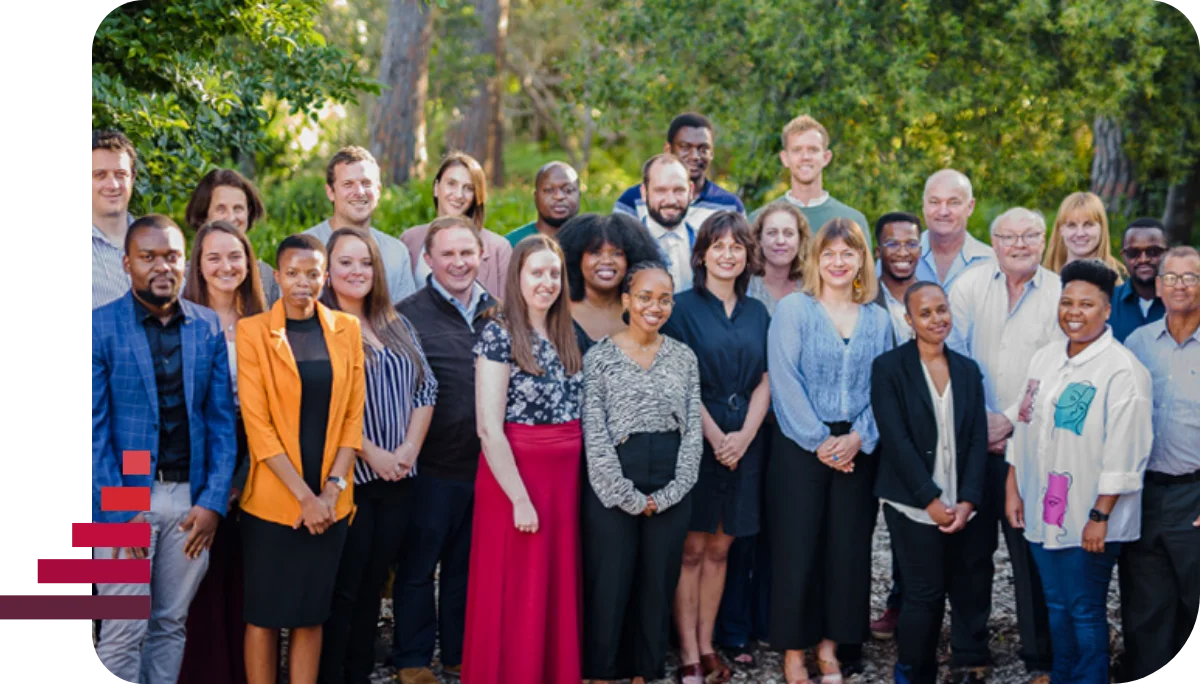
Leadership Team and Research Support
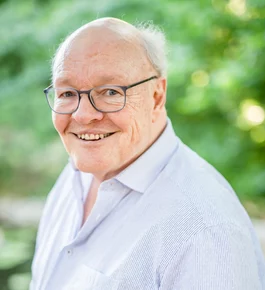
Servaas van der Berg
Director
Servaas van der Berg is professor of Economics at the University of Stellenbosch in South Africa, and previously held the National Research Foundation’s South African National Research Chair in the Economics of Social Policy. His research covers economic development, poverty and income distribution, the economics of education, health and welfare, and fiscal incidence. He has served on the Scientific Advisory Committee of SACMEQ (Southern and Eastern African Consortium for Monitoring Educational Quality) and is a fellow of the prestigious International Academy of Education. He acts as consultant to international, regional and other institutions and often provides policy advice to government departments.

Silke Rothkegel van-Velden
Project Manager
Silke completed her Masters in Economics at the University of Stellenbosch in January 2013, where she also attained her Honours in Economics in 2011 as well as her Bachelor of Arts in Decision-Making and Knowledge Management in 2010. During her undergraduate studies, she majored in Political Science, Economics and Decision Making (Knowledge Management) and has focused most of her attention in her postgraduate studies on Development Economics and on Economics of Education which is a sub-field of the former. Both her Honour’s and Master’s theses fall under the sub-field of Economics of Education, focusing particularly on management related shortcomings in primary and secondary schooling in South Africa. Silke is associated with RESEP as a researcher and assistant project manager.
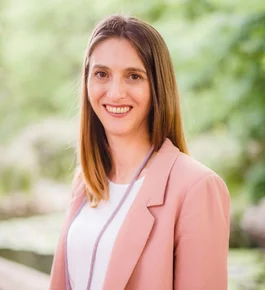
Gabrielle Wills
Researcher
Dr Gabrielle Wills is a senior researcher at Research on Socio-Economic Policy and senior lecturer in the Department of Economics, Stellenbosch University, South Africa. Her research focus areas include systems reform in Early Childhood Development, basic education, tracking educational inequities and post-school transitions in South Africa. Over the past decade she has led various education research projects in South Africa. She was the principal investigator of the “COVID-Generation” project (2021-2025) documenting the impacts of the COVID-19 pandemic on the educational outcomes and trajectories of South African youth. This followed her work in 2020/21 as a team lead for the National Income Dynamics Study – Coronavirus Rapid Mobile Study (NIDS-CRAM) which aimed to provide reliable socio-economic related statistics to support policy-making in South Africa during the COVID-19 pandemic. She provides ongoing leadership in the Ilifa Labantwana and Resep ECD Working Paper Series to accelerate knowledge and policy-evidence on early childhood development to support improved planning and support in this sector in South Africa. She was co-investigator and project lead for an ESRC/DFID funded study titled “Reading and socio-emotional skills in challenging school contexts: Evidence from South African primary schools”, following her role as project coordinator and senior researcher for the ESRC/DFID project (ES/N01023X/1) titled “Succeeding Against the Odds: Understanding resilience and exceptionalism in high-functioning township and rural primary schools in South Africa”. Working with a team of researchers including colleagues in the South African Department of Basic Education, she was involved in producing the first available early grade reading benchmarks in African languages in South Africa. Gabrielle holds a PhD in economics from Stellenbosch University (2016) and Masters of Commerce in Economics (summa cum laude) from the University of KwaZulu-Natal (2008).
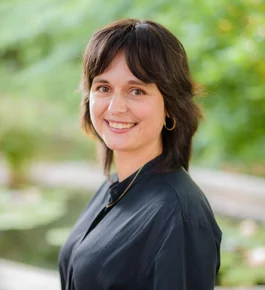
Heleen Hofmeyr
Researcher
Heleen’s research focuses on foundational learning, socio-emotional skills, and teacher well-being. She has a particular interest in how early learning and the school environment shape children’s long-term educational trajectories.
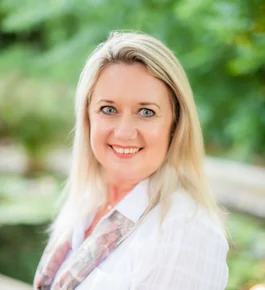
Carine Brunsdon
Administrator
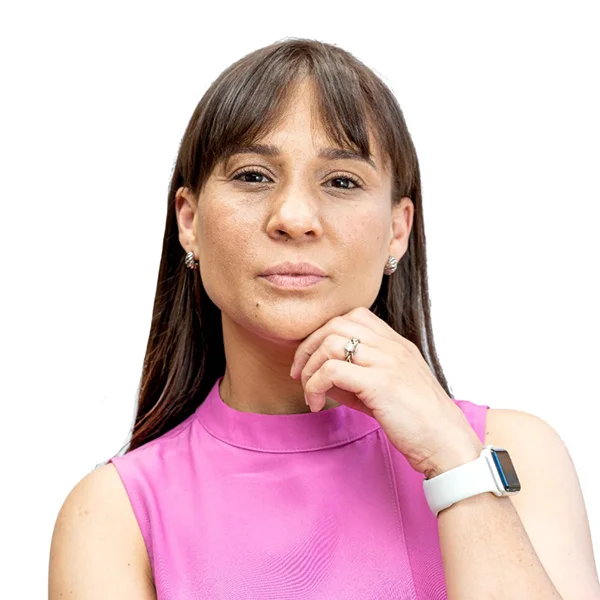
Erin Chothia-Lakay
Administrator
Researchers
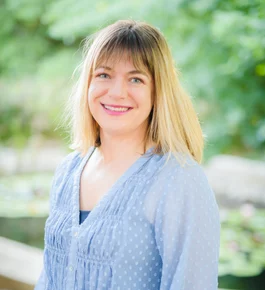
Anja Smith
Researcher
Anja Smith is a part-time Senior Researcher at Research on Socio-Economic Policy (ReSEP: http://resep.sun.ac.za) at the Economics Department of Stellenbosch University. She is a health and development economist by training. She received her PhD in Economics from Stellenbosch University in March 2016. Her PhD focused on various topics related to the financing, delivery, and user acceptability of healthcare in South Africa. Anja’s postdoctoral research examined questions related to the measurement of quality of healthcare, and access to contraception and reproductive care for vulnerable women in South Africa. Since then, her research has focused on deepening her work on sexual and reproductive care, health financing and substandard and falsified medicine. Anja is a rated researcher (by the National Research Foundation of South Africa) and an active participant in health financing reform discussions in South Africa.

Rebecca Selkirk
Researcher
Rebecca is an education economist and researcher at RESEP. She has an undergraduate degree in Actuarial Science, and recently completed her doctoral studies in Economics at Stellenbosch University. Rebecca specialises in working with big administrative data, and has worked extensively on NSC, SA-SAMS, and CEMIS data to investigate matric achievement, subject choice, school-based assessment, and learner flows (repetition and dropout). She also has experience working in South Africa’s secondary and higher education environments as an educator, and has been involved in delivering RESEP’s data literacy training initiatives for users of South Africa’s education data.
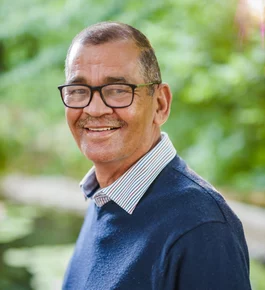
Chris van Wyk
Researcher
Dr. Chris van Wyk is a seasoned expert in education data systems, with over four decades of experience across education, government, and international consultancy roles. He has worked extensively in South Africa and several other African countries including Namibia, Kenya, Sudan, Malawi, Botswana, and Eswatini. Dr. van Wyk is widely recognized for his expertise in Education Management Information Systems (EMIS), having led multiple national and international EMIS projects. He has advised UNICEF, UNESCO, and other agencies, and contributed significantly to policy development, system design, capacity building, and research in education data. His recent work includes developing EMIS guidelines with RTI and UNESCO, and leading EMIS capacity-building in Namibia and Sudan.
Jessica Qvist
Research assistant
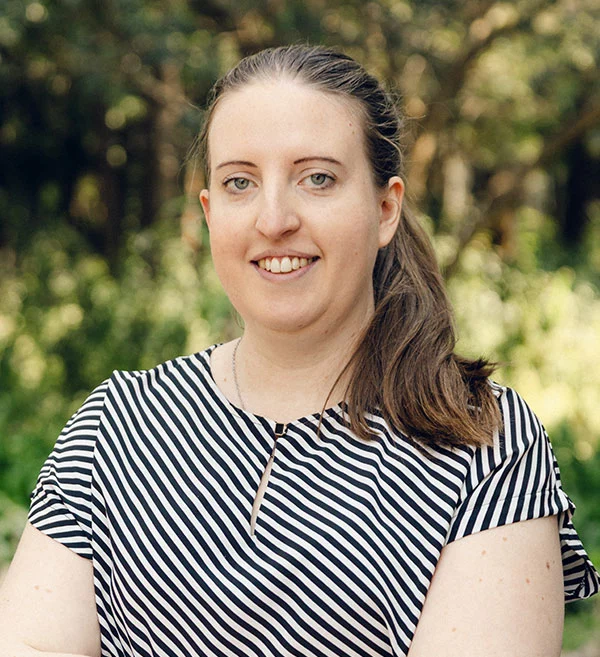
Jess is a researcher in the Education team at RESEP. She also works part-time at J-PAL Africa as a Research Associate. Jess holds a BCom (Politics, Philosophy and Economics), a BCom (Honours) in Economics and a MEd (Leadership and Policy) from the University of the Witwatersrand. She won the prestigious 2020 ESSA Founders’ Medal for the best Honours paper in Economics. In her paper, she used TIMSS data to explore the relationship between parental involvement and Grade 9 mathematics marks in South Africa. In her Masters paper, she used Early Grade Reading Study I (EGRS I) data to investigate how Setswana learners progress in early grade reading components in the first four years of schooling.
Martin Gustafsson
Researcher
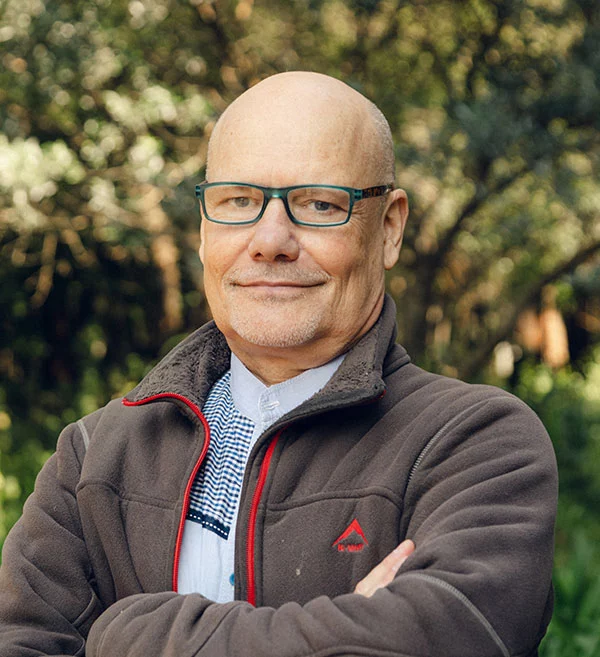
Martin is a researcher with the Department of Economics at Stellenbosch University, from which he obtained his Master’s degree in 2006 and PhD in 2014, the latter being on the role of education in economic development. Martin is a part of the RESEP team but is based in Pretoria, where he works as an advisor for the Department of Basic Education. His areas of specialisation include the use of economics in education planning, the design of school funding policies, the economics of teacher pay, the demographics of schooling systems and cross-country comparisons of educational policy and performance.
Faculty Collaborators
Debra Shepherd
Researcher
Debra completed her undergraduate studies at Stellenbosch University (SU) in 2005, earning her BCom Honours (2007) and MCom (2009) cum laude. She obtained her PhD in Development Economics from Vrije Universiteit Amsterdam and SU as a VU-NRF Desmond Tutu Doctoral Scholar, focusing on efficiency and effectiveness in South Africa’s education system. Debra currently holds a position as Associate Professor in the Department of Economics at SU, where she has been employed in a permanent position since 2013. Prior to this, she was a researcher with the African Microeconomic Research Unit at the University of Witwatersrand from 2011 to 2012. She has been an affiliated researcher with RESEP since 2008. Debra holds fellowships with the Stellenbosch Institute of Advanced Study (STIAS) and Harvard University’s Radcliffe Institute of Advanced Study (RIAS). She most recently received the SU Chancellor’s Award for sustained excellence in teaching in 2024.

Dieter von Fintel
Researcher
Prof Dieter von Fintel is the Vice Dean for Research, Internationalisation and Postgraduate Affairs in the Faculty of Economic and Management Sciences at Stellenbosch University. He is a development economist and economic historian who has worked in the Research on Socioeconomic Policy (ReSEP) and Laboratory for the Economics of Africa’s Past (LEAP) since both research groups’ inception. He completed his PhD in Labour Economics in 2014 at Stellenbosch, having spent 2012 as a visiting Commonwealth PhD scholar at Oxford University. His research focuses on uncovering the impacts of historical and contemporary policies and events on agricultural, labour, food security and health outcomes of households and firms in various parts of sub-Saharan Africa. An expert in applied micro-econometrics, Dieter analyses differences in economic and human development using a combination of survey, administrative and satellite data, with a particular focus on inequalities between people and places. His award-winning work on South Africa’s long-run economic divergence (with co-author Johan Fourie) received the 2020 Montias prize for the best paper published in the Journal of Comparative Economics and was featured by The Economist in its 2020 Christmas issue. He was also awarded the 2020 best paper prize by the Economic History of Developing Regions for his work on spatial inequalities in agriculture. The Agricultural Economics Association of South Africa awarded him the prize for best journal article in 2024. Multiple graduate students have been awarded prizes for the best Economics PhD and Masters research in South Africa conducted under his supervision. He is a research affiliate of the Institute of Labor Economics (IZA) in Bonn, Germany; a research fellow of the Global Labor Organisation (GLO), is affiliated with the Pan-African Scientific Research Council (PASRC) and sits on the Academy of Science of South Africa’s Standing Committee on Science for Reduction of Poverty and Inequality. He has consulted on development economic and statistical issues to the World Food Programme, the United Nations Children Fund, the Bureau for Food and Agricultural Policy, the South African Reserve Bank, and various national statistics offices. He also sits on the National Research Foundation’s Specialist Ratings Committee for Economics.
Eldridge Moses
Researcher
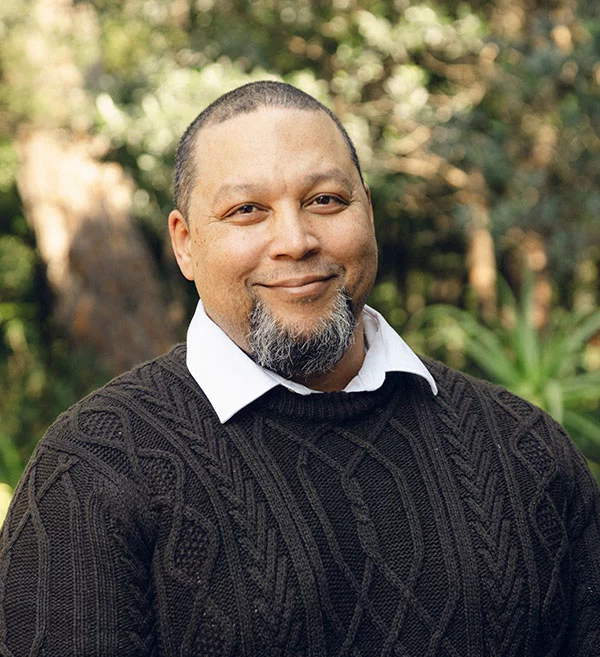
Eldridge Moses is a senior lecturer at the Department of Economics at Stellenbosch University, and a researcher at RESEP (Research on Socio-Economic Policy, a research group focusing on socio-economic policy). He completed a PhD in Economics at Stellenbosch University, focusing on internal migration, as well as entry into informal settlements, in Namibia and South Africa. His research interests include spatial and racial inequalities, migration, urban inequalities and economics of education as it relates to poverty and inequality alleviation.
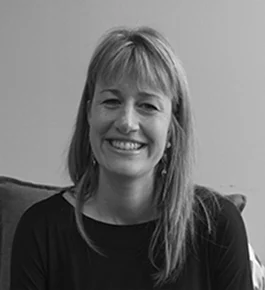
Marisa von Fintel
Researcher
Marisa is an associate professor in the Department of Economics at Stellenbosch University. Her research focuses on the impact of social policy on individuals and households. Increasingly, she is interested in researching how government-provided infrastructure—such as housing, water, electricity, and sanitation—affects health and well-being. She has also examined how citizens hold their elected governments accountable for the delivery of these services. Marisa teaches courses in econometrics, mathematics for economists, and development economics.
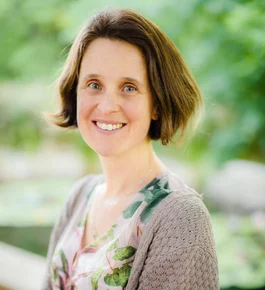
Ronelle Burger
Researcher
Ronelle Burger is a professor in the Economics Department of Stellenbosch University. Her interest is in poverty and exclusion in African countries, with a focus on the role of health inequalities. Her research is closely aligned with policy processes because it aims to inform and support initiatives to fight inequity and address problems with health care delivery. She is a board member of the Journal of Development Studies and an associate editor of Health Economics. She is a research fellow of the Centre for Development and International Trade at Nottingham University and also the Partnership for Economic Policy at Laval University. She has consulted to National and Provincial government and also multilateral donors such as UNICEF and the World Bank. Her work has been published in high-ranked development journals such as Economic Development and Cultural Change and World Development and high-impact health journals such as Lancet Global Health and Journal for Hypertension. Recent sabbatical visits include the Centre for Health Policy at Imperial College London and the Institute for Policy Studies at Johns Hopkins University. She holds a PhD in Economics from Nottingham University and a Masters degree in Economics from Cambridge University. She has received funding from J-PAL, Gates Foundation and the World Bank.
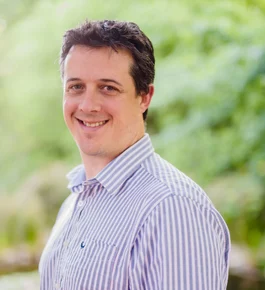
Rulof Burger
Researcher
Rulof Burger is Professor at the Stellenbosch University Department of Economics. He is an Affiliated Professor at The Abdul Latif Jameel Poverty Action Lab, and holds Masters degrees in Economics from Stellenbosch and Cambridge Universities and a doctoral degree from Oxford University. He has worked extensively on South African development and labour market issues, including unemployment, wage inequality, mobility and health.
Students
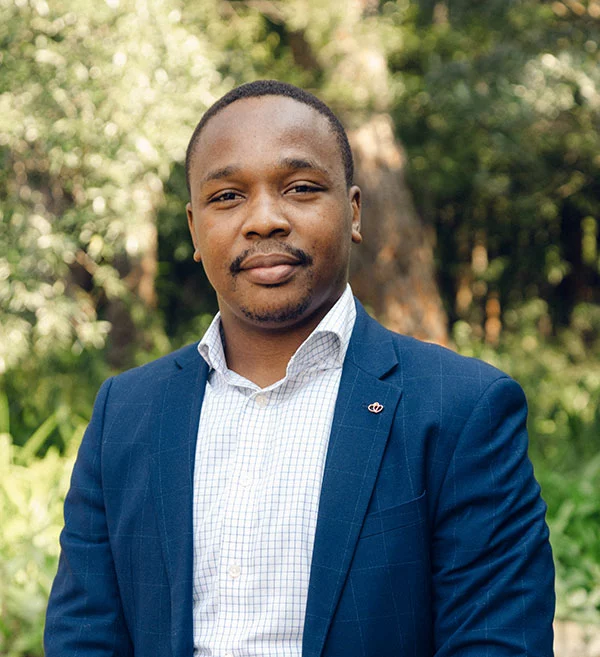
Ivan Anselmo Manhique
PhD student
Ivan Manhique is a Doctoral Researcher in the Research on Socio-Economic Policy group at Stellenbosch University. Ivan holds a Master of Science (MSc) in Development Economics from the University of Sussex and a bachelor’s (Hons) in Economics from Eduardo Mondlane University (UEM). With extensive experience in social data analysis, his expertise spans labour economics, poverty analysis and applied econometrics.
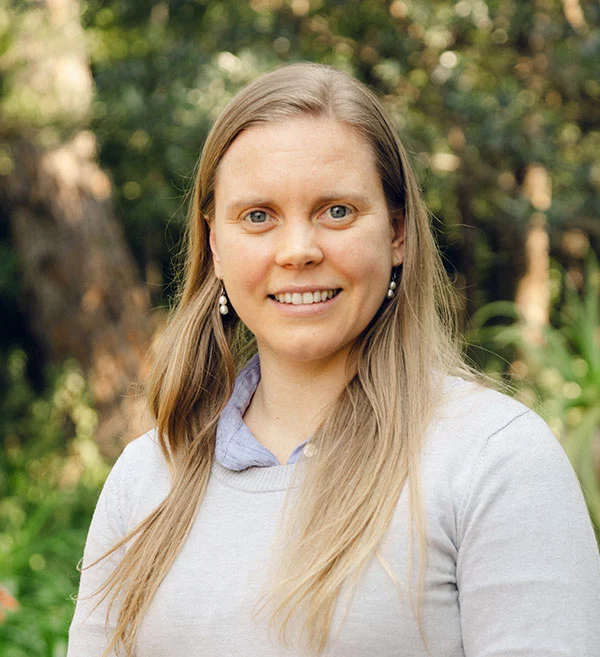
Bianca Böhmer
PhD student
Bianca is a researcher and PhD candidate at RESEP. She holds a Master’s degree in Applied Economics from the University of Cape Town. Her research focuses on the education in low-and middle-income countries. Topics of interest include foundational literacy and numeracy, learning trajectories, educational assessment, teacher training and professional development, inequality and gender in education, as well as education systems planning and financing. Bianca is also a qualified school teacher and previously taught Mathematics in the Intermediate Phase. She began her career as a research associate at J-PAL, where she managed a baseline survey for Youth Impact in Botswana. She also worked as a management consultant at BCG for several years before transitioning back into education
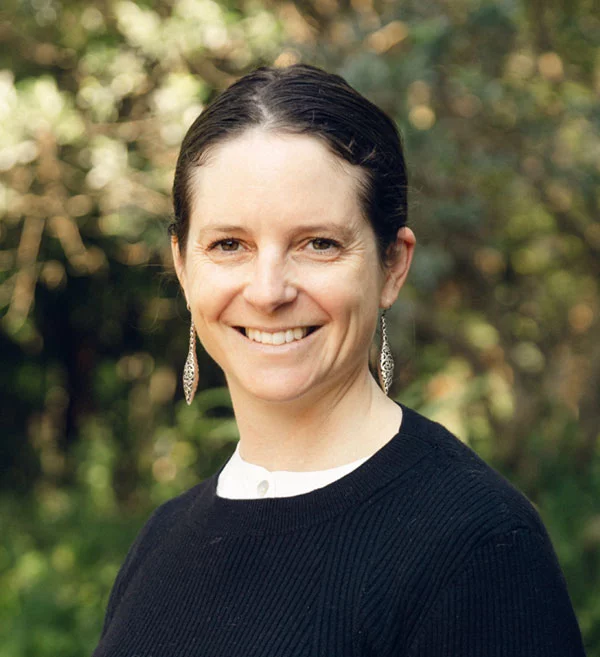
Ros Clayton
PhD student
Ros has a background that bridges both mathematics education and economics. She completed her undergraduate studies in Mathematics and Economics, followed by an Honours degree in Economics, at the University of Cape Town (UCT). After obtaining a Postgraduate Certificate in Education (PGCE), she spent several years teaching high school mathematics in Cape Town. In 2015, she earned a Master’s in Education from the University of Cambridge before returning to South Africa to work in the education non-profit sector. It was during this time, as a participant in RESEP’s Quantitative Education Research (QER) course, that she first engaged with the work of the research group. Ros has since returned to the field of quantitative research and is currently a PhD candidate and researcher with RESEP. She is particularly interested in the use of large datasets to address questions in education, with a focus on learning new technical skills and exploring ways to leverage data for causal inference. Her doctoral work investigates the relationship impact of grade repetition in the South African schooling system.

Peter Courtney
PhD student
Peter is a dual PhD candidate in economics, at Stellenbosch University and Vrije University Amsterdam, working on education and inclusive economic growth in Africa. His research focuses on the historical persistence of apartheid spatial inequalities in human capital, the optimal allocation of learners and educators, and education policy during fiscal consolidation. He has recently been awarded the 2025 C. Lowell Harriss Dissertation Fellowship to work on the application of machine learning techniques for the appraisal of land values in Cape Town. He has worked at the UN’s FAO and J-PAL Africa. Peter writes a Substack blog, The MaxiMin, exploring economic history, political philosophy, and global inequality. His personal website is courtney.ac
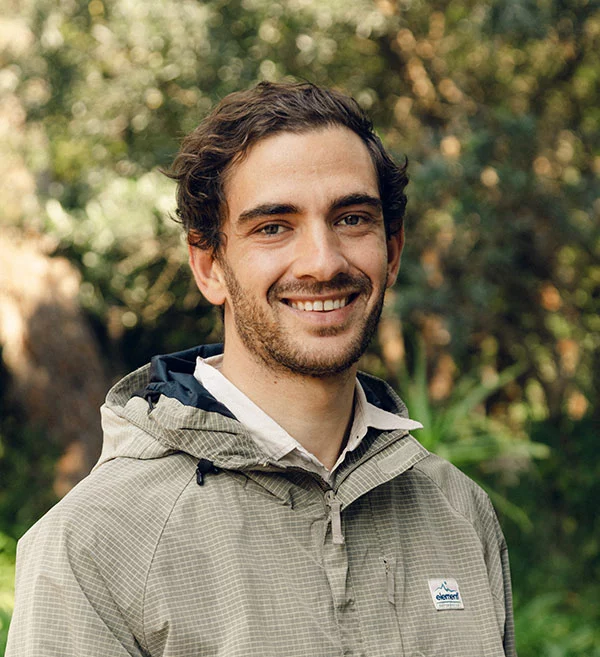
Julian Goldman
PhD student
Julian Goldmann is a PhD student whose research focuses on understanding and addressing inequalities in early grade literacy, with a particular emphasis on spatial disparities in South Africa and rural education. With a background in both quantitative research and grassroots NGO work, Julian brings a unique perspective to development challenges, combining rigorous data analysis with a deep understanding of the social and cultural dynamics on the ground. He has a strong interest in using evidence to inform policy, particularly where data can amplify the lived realities of underserved communities.
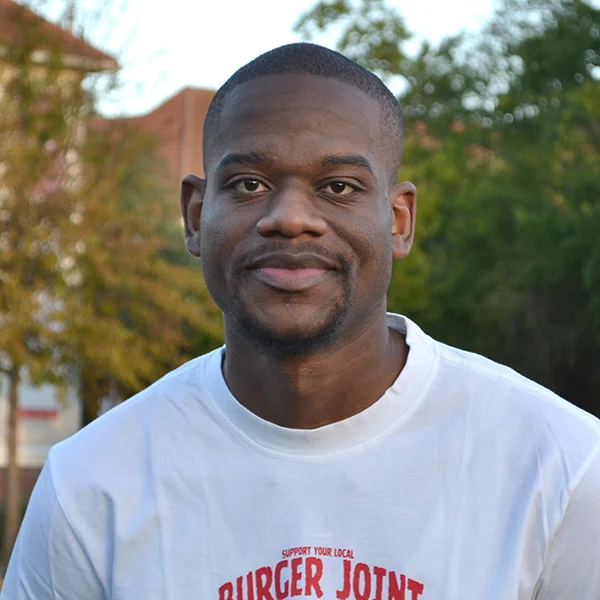
Tshulani Khosa
Masters student
Tshulani Khosa is an MCom Economics candidate at Stellenbosch University, where his research examines how inequalities in the schooling system shape student performance in higher education. He holds a BCom Honours in Economics (cum laude) and an NRF Honours Scholarship (2025) and brings quantitative training across economics and statistics. He also supports teaching in both disciplines. His work is motivated by a broader interest in evidence-based education policy, and he aspires to pursue a PhD and build an academic career in the field.
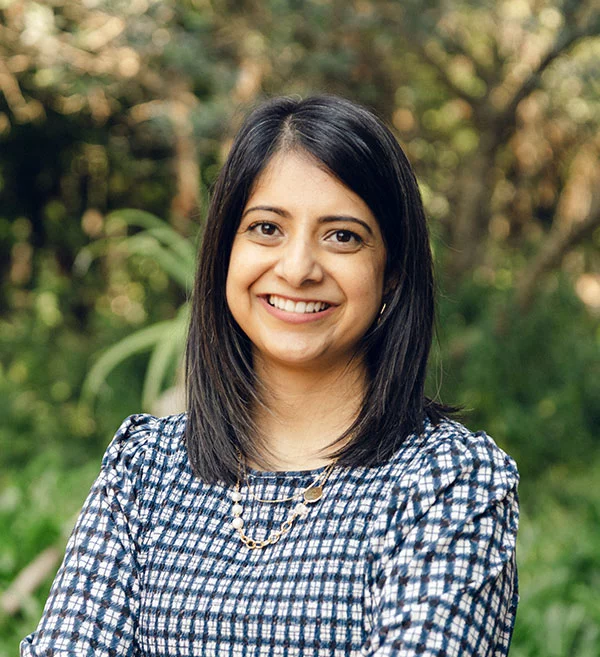
Jesal Kika-Mistry
PhD student
Jesal Kika-Mistry is an economics PhD student with RESEP at Stellenbosch University. Her research focuses on understanding the barriers to, and potential solutions for, improving access, quality and equity in early childhood education in South Africa. Jesal is also an education economist and consultant with the World Bank’s Southern and Eastern Education team, providing analytical, advisory and operational support across the region. Her work lies at the intersection of research, policy and implementation. Some of the technical and advisory work she is involved in includes Education Sector Analyses, Public Financial Reviews, Public Expenditure and Institutional Analyses, Human Capital Frameworks, and Economic Updates; as well as providing technical expertise to the global Invest in Childcare team. She has also supported the design and implementation of education operations in Eswatini and Lesotho. Jesal is actively involved in several research projects in South Africa, particularly related to early childhood education. Prior to consulting with the World Bank, she worked as a researcher in the Research Coordination, Monitoring and Evaluation Directorate at South Africa’s national Department of Basic Education. She also provided technical support on social sector policy issues to the National Planning Commission Secretariat at the Department of Planning, Monitoring and Evaluation, and was an analyst in the Competition and Regulatory Economics practice at Genesis Analytic
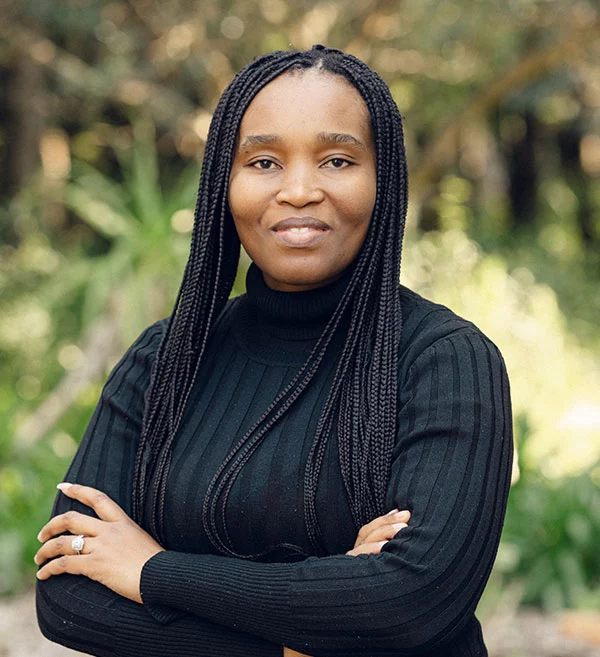
Malebese Mohape
PhD student
Malebese is a PhD in Economics student at Stellenbosch University. Her research focuses on the economics of education, particularly the intersections between human capital formation, demographic change and parental investment, and how these relationships play out in different contexts. Her work aims to inform policies that help close learning gaps and reduce poverty, particularly in developing countries. She holds MA in Economics from the University of Botswana and a BA in Economics from the National University of Lesotho. Her research interests include development economics, economics of education, demographic economics and labour economics.
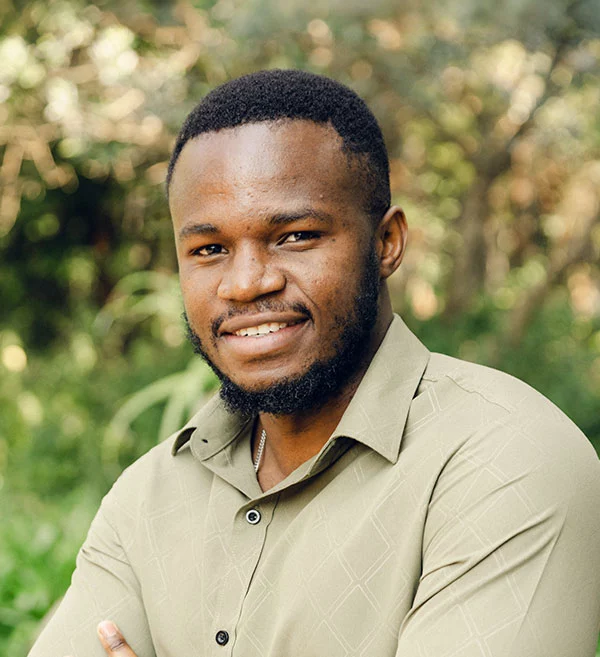
Chris Mtocha
PhD student
Chrispine Adams Mtocha is a PhD student in Economics at Stellenbosch University. He holds a Master of Arts in Economics (specializing in Econometrics and Health Economics) from the University of Malawi, earned through the African Economic Research Consortium (AERC), and a Bachelor of Science in Agricultural Economics from the Lilongwe University of Agriculture and Natural Resources. Prior to his PhD studies, Chrispine worked with the World Bank’s Development Impact Evaluation (DIME) team under Development Economics (DEC), conducting rigorous impact evaluations to assess the effectiveness of development programs and policies. He also served as an Economist for the Malawi Government, contributing to national digital policy formulation. His expertise spans collaborations with national and international organisations, including DFID, UNICEF, The World Bank, USAID, and UNDP, on research evaluations and consultancies. He has contributed to key national initiatives such as Malawi’s Multidimensional Poverty Index Report, Child Deprivation Index Report, and Digital Economy Strategy. Chrispine’s research interests include development economics, economics of education, microeconometrics, health and agricultural economics, poverty measurement, social protection, and digital policy. He is particularly passionate about leveraging data and evidence-based research to inform policy and advance inclusive, sustainable development in low- and middle-income countries.
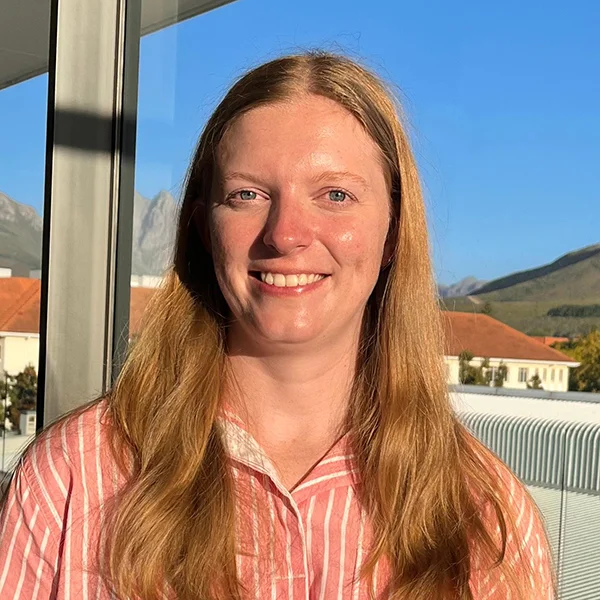
Anya Nash
Masters student
Anya is currently a Master’s student at Stellenbosch University, where she also holds an Honours degree in Economics. Her work bridges development economics and economics of education, examining the long-term impacts of early-grade interventions on learning outcomes. She is currently investigating the effects of teacher bias on early-grade literacy and numeracy for her Master’s thesis. Alongside her primary thesis work, Anya serves as a research assistant on a health economics project and brings strong quantitative skills in Stata and R to data analysis.
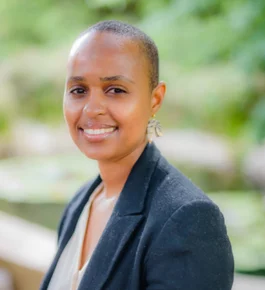
Poppie Ntaka
PhD student
Poppie Ntaka is a PhD (Economics) candidate at Stellenbosch University and a researcher for the Select Committee on Finance (SeCOF) at Parliament. Prior to joining SeCOF, she worked at the Financial and Fiscal Commission as a researcher in the National Budget Analysis Unit. Poppie holds a Master of Commerce in Economics from the University of Stellenbosch and a Master of Arts degree in Development Economics from the University of Göttingen. Her research interests include the Economics of Education, rural development, poverty and inequality. Her current work focuses on the effect of poor quality education on inclusive growth and how that limits the possibilities for improving income distribution in the short and medium term. Poppie hopes that her research will contribute meaningfully towards re-imagining an education sector that prioritises learners in the poorest parts of South Africa’s schooling system.
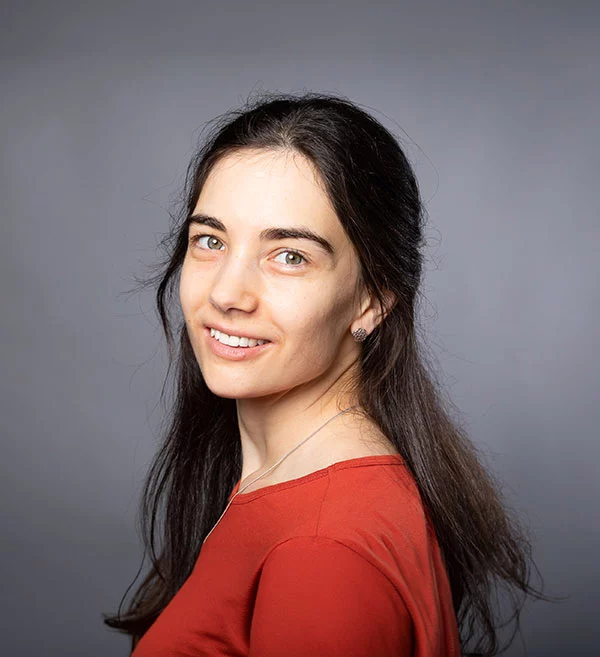
Irene Pampallis
PhD student
Irene Pampallis is a PhD candidate at the University of the Witwatersrand, co-supervised by RESEP’s Professor Servaas van der Berg. Her research focuses on how teacher agency is exercised in the choices teachers make about where to teach. She has been involved with RESEP as a research assistant and website coordinator since 2022. Irene holds degrees from the University of the Witwatersrand, the University of Cape Town and the University of Turku. Before entering postgraduate studies, Irene worked as a high school mathematics teacher in Cape Town.
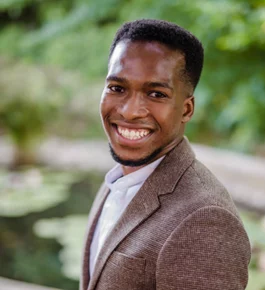
Lunga Swelindawo
PhD student
Lunga’s research engages with several critical areas in education, including the relationship between school infrastructure and learning outcomes, as well as teacher motivation and geographic placement preferences. At the DBE, he has contributed to a range of policy-relevant projects, including the closure and consolidation of small and non-viable schools, and analyses of subject choice patterns among matric learners – particularly in Mathematics and Mathematical Literacy – highlighting systemic mismatches between learner ambitions and subject selection. His district profiling work integrates diverse administrative datasets, including NSC results, Masterlist, and LURITS, to inform more targeted planning and strengthen accountability in districts. He is currently undertaking an evaluation of the DBE’s infrastructure interventions and their effects on learning outcomes. Beyond his research, Lunga contributes to capacity building within the Department and PEDs, facilitating training in Stata, Excel, monitoring and evaluation, and government report writing. He has presented his work to senior departmental stakeholders, interprovincial forums, and academic conferences, both locally and internationally, contributing to the translation of evidence into policy and practice. Lunga brings together intellectual curiosity, a sustained engagement with societal challenges, and a commitment to educational equity to advance policy-relevant research in the public sector

Glen Takalani
PhD student
Glen Takalani is a PhD student with RESEP, focusing on education economics and the role of socio-emotional skills in shaping learning outcomes. His research employs advanced statistical modeling to analyze educational data, building on prior work in health economics—including studies on HIV testing and maternal health during the pandemic for the NIDS-CRAM project. Before academia, Glen worked as a junior economist at the South African Reserve Bank (SARB), specializing in global macroeconomics with a focus on Asia. His interdisciplinary approach bridges health, economics, and education to inform policy and development.
Research Associates
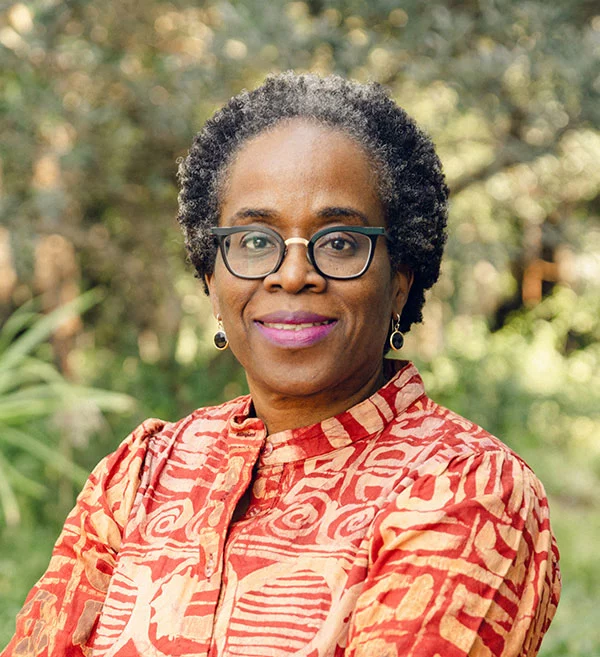
Carol Nuga-Deliwe
Research associate
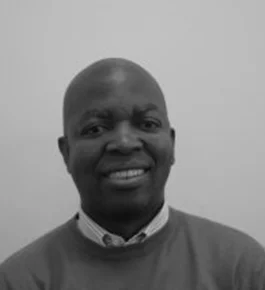
Dumisane Hompashe
Research associate
Prof. Dumisani Macdonald Hompashe is an Associate Professor and Head of the Department of Accounting, Economics and Finance at the University of Fort Hare, South Africa. He graduated with a Ph.D. in Economics from Stellenbosch University in 2021, a Master of Commerce (Financial Markets) from Rhodes University in 2009, a Bachelor of Arts Honours in Economics from Rhodes University in 2004, and a Bachelor of Arts from the University of South Africa in 2001. In 2023, he graduated with a Postgraduate Diploma in Higher Education and Training (PGDHET) from the University of Fort Hare. He has 18 years of experience as a high school teacher and 15 years in higher education. His areas of research interest include development economics, health economics, economics of education, and labour economics. He is a member of the African Science Frontiers Initiatives (ASFI) and currently serves as the President of the ASFI General Assembly. Prof. Hompashe is also a member of the African Finance and Economic Association (AFEA) and the African Health Economics and Policy Association (AfHEA). In 2021, he received the Emerging Researcher Award from the Faculty of Management and Commerce at the University of Fort Hare. In November 2025, Prof. Hompashe was awarded senior fellowship status by Advance HE, a UK-based organization that supports and advances higher education. He is a research associate with the Research on Socio-Economic and Policy (ReSEP) at Stellenbosch University’s Department of Economics. Prof. Hompashe is also a member and a senior researcher of the UFH’s Research Niche Area, called Research in Inclusion and Township Economy (RITE). Recently, he has received a C2 rating from the National Research Foundation of South Africa.
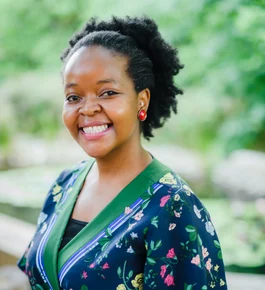
Nompumelelo Mohohlwane
Research associate
Nompumelelo Nyathi-Mohohlwane is an education researcher at the Department of Basic Education, South Africa. The unit is responsible for system monitoring, supporting performance information management, and conducting research and evaluation of education interventions. She is part of the research team for the government-led Early Grade Reading Study randomised control trials (2015-2018, 2018-2021,2021-2023; 2024-2025). She has a Doctorate in Education Policy from Stellenbosch University; her thesis contributes to the language in education debate through an analysis of history, policies, and large-scale data. She has a Master’s Degree (with distinction) in Education from the University of Witwatersrand. Her studies focused on substantiating the contribution of Randomised Control Trials (RCTs) to evaluating early-grade reading acquisition using literature analysis and empirical data analysis of large sample data. Nompumelelo is also a Centre for Global Development non-resident fellow, a research fellow with the University of Stellenbosch and a fellow with the Centre for the Study of African Economies (CSAE) and the What Works Hub (WWH) with Oxford University. She is part of the Academic Lead Team for the What Works Hub in Education.

Nwabisa Makaluza
Research associate
Nwabisa Makaluza is a research associate at the Research on Socio-Economic Policy (RESEP) at Stellenbosch University where she obtained her PhD in Economics. She is currently working on projects about implementation of education reforms and early grade learning. These projects benefit from inputs from Education NGOs and the Department of Basic Education. She has also worked on the labour market by doing econometric research on understanding the South African informal sector. Her research interests are in quantitative analysis of early learning outcomes, education, inequality, poverty, and labour
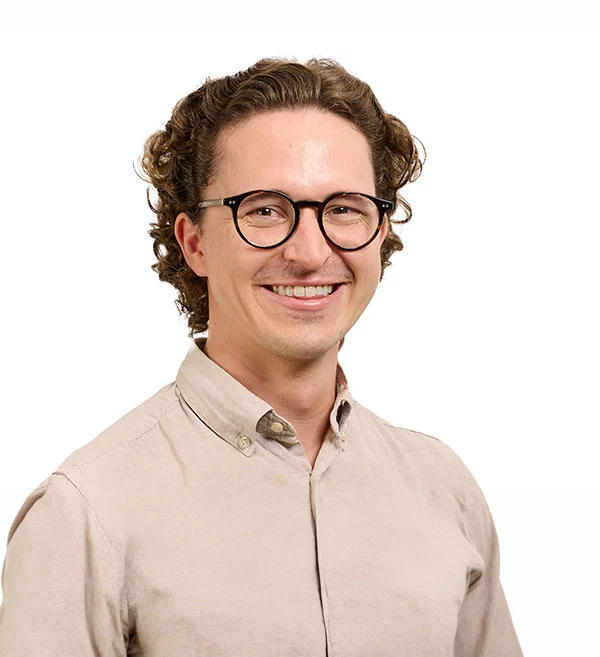
Tim Köhler
Research associate
Tim Köhler is an applied development micro-economist focused on labour markets, social protection, and policy evaluation in lower-income countries, primarily in Africa. He is a Senior Research Officer at the Development Policy Research Unit at the University of Cape Town (UCT), South Africa; a Consultant for the World Bank’s Social Protection and Jobs Global Practice; and a Research Associate at the Research on Socio-Economic Policy (RESEP) unit at Stellenbosch University. He earned his PhD in Economics from UCT in 2024 and was a Visiting Scholar at the United Nations University World Institute for Development Economics Research (UNU-WDIER) in Finland in 2025. Tim regularly conducts economic advisory work for several multilateral organisations and South African government departments, and his research has been published in leading field journals in development economics, including World Development and Energy Economics, among other outlets.
ConsultantS
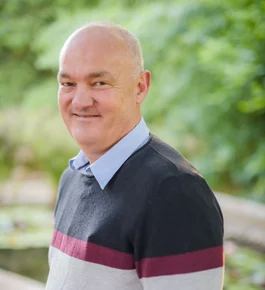
Herman Meyer
Consultant