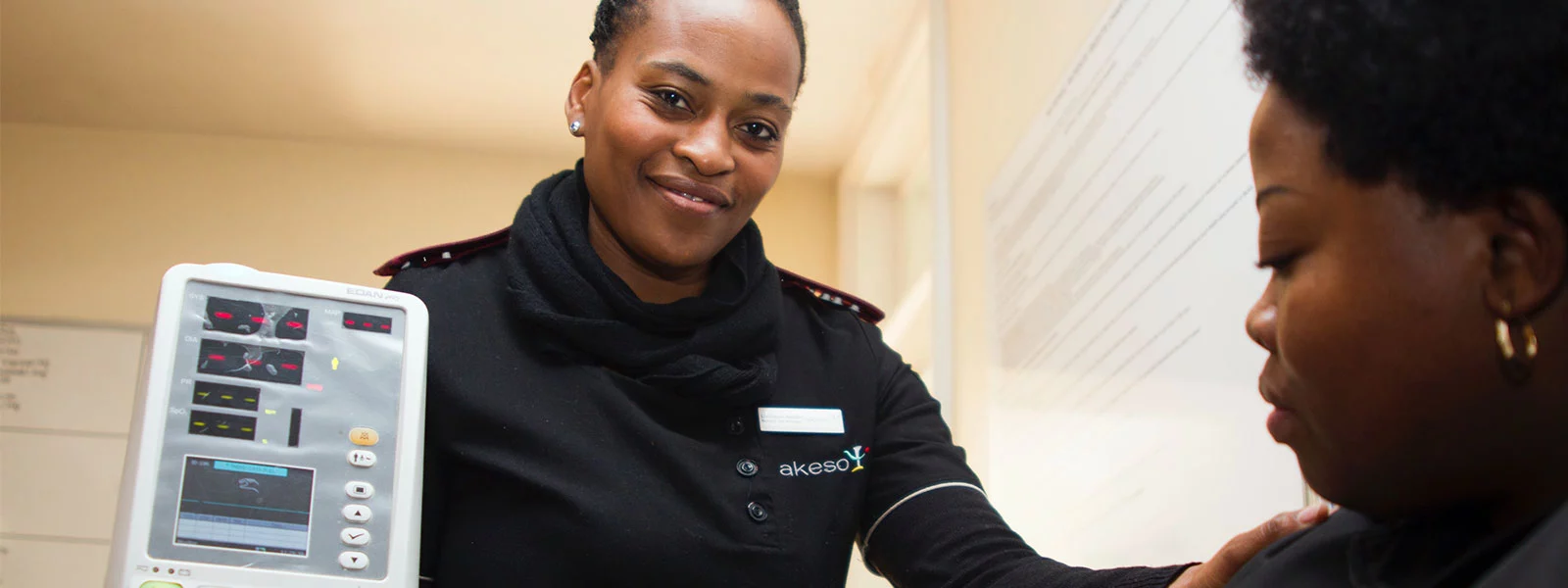

‘The nurse did not even greet me’: how informed versus non-informed patients evaluate health systems responsiveness in South Africa
This paper investigates the role of non-clinical dimensions of care in patient satisfaction.
The HPTN 071 (PopART) trial showed that a combination HIV prevention package including universal HIV testing and treatment (UTT) reduced population-level incidence of HIV compared with standard care. However, evidence is scarce on the costs and cost-effectiveness of such an intervention.
In low- and middle-income countries with a high burden of tuberculosis (TB), a large proportion of people who are tested for TB do not return to the health facility to collect their test results and initiate treatment, thus putting themselves at increased risk of adverse outcomes.
We examine the relationship between likelihood to volunteer and a range of human capital, social capital, religious capital and ubuntu variables in South Africa seven years after the official end of apartheid.
In order to address South Africa’s maternal and infant mortality and morbidity rates, patient and community-level preventable factors need to be identified and addressed. However, there are few rigorously implemented and tested studies in low- and middle-income countries that evaluate the impact of community-level interventions on maternal and infant health outcomes.
We present evidence of how researchers from developing countries are represented in three areas of research: conference presentations, articles in journals, and citations. We find that the bulk of research on development and development policies in the South is conducted by researchers from the North.
Trends in socioeconomic-related health inequalities is a particularly pertinent topic in South Africa where years of systematic discrimination under apartheid bequeathed a legacy of inequalities in health outcomes. We use three nationally representative datasets to examine trends in income- and race-related inequalities in life expectancy (LE) and health-adjusted life expectancy (HALE) since the beginning of the millennium.
Improving education outcomes and producing a skills revolution, as well as ensuring a healthy nation, are two of the key priorities of the sixth administration, as highlighted by President Cyril Ramaphosa in his 2019 state of the nation address (Sona). The complementarities between education and health are well documented: children who are healthy, stimulated and well-nourished from birth are better equipped to develop cognitively and learn than children who receive poor nutrition, are not stimulated often or suffer from poor health.
Three RESEP doctoral candidates were capped at a recent Stellenbosch University (SU) Faculty of Economic and Management Sciences graduation ceremony for PhDs. Congratulations to Joel Gondwe, Dumisani Hompashe and Heleen Hofmeyr. Also in attendance were some of the candidates' supervisors, Gabrielle Wills and Anja Smith. Ronelle Burger additionally supervised a successful candidate not involved with RESEP.
Martin Gustafsson has recently published a report titled "Pandemic-related disruptions to schooling and impacts on learning proficiency indicators in which he has modelled the possible effects of the COVID-19 pandemic on global indicators of learning proficiency.